Opossum Removal — Find a Licensed Local Trapper
Opossums nest in attics, crawlspaces, and under decks — causing odor problems, droppings contamination, and potential disease exposure.
Opossum Removal in the United States
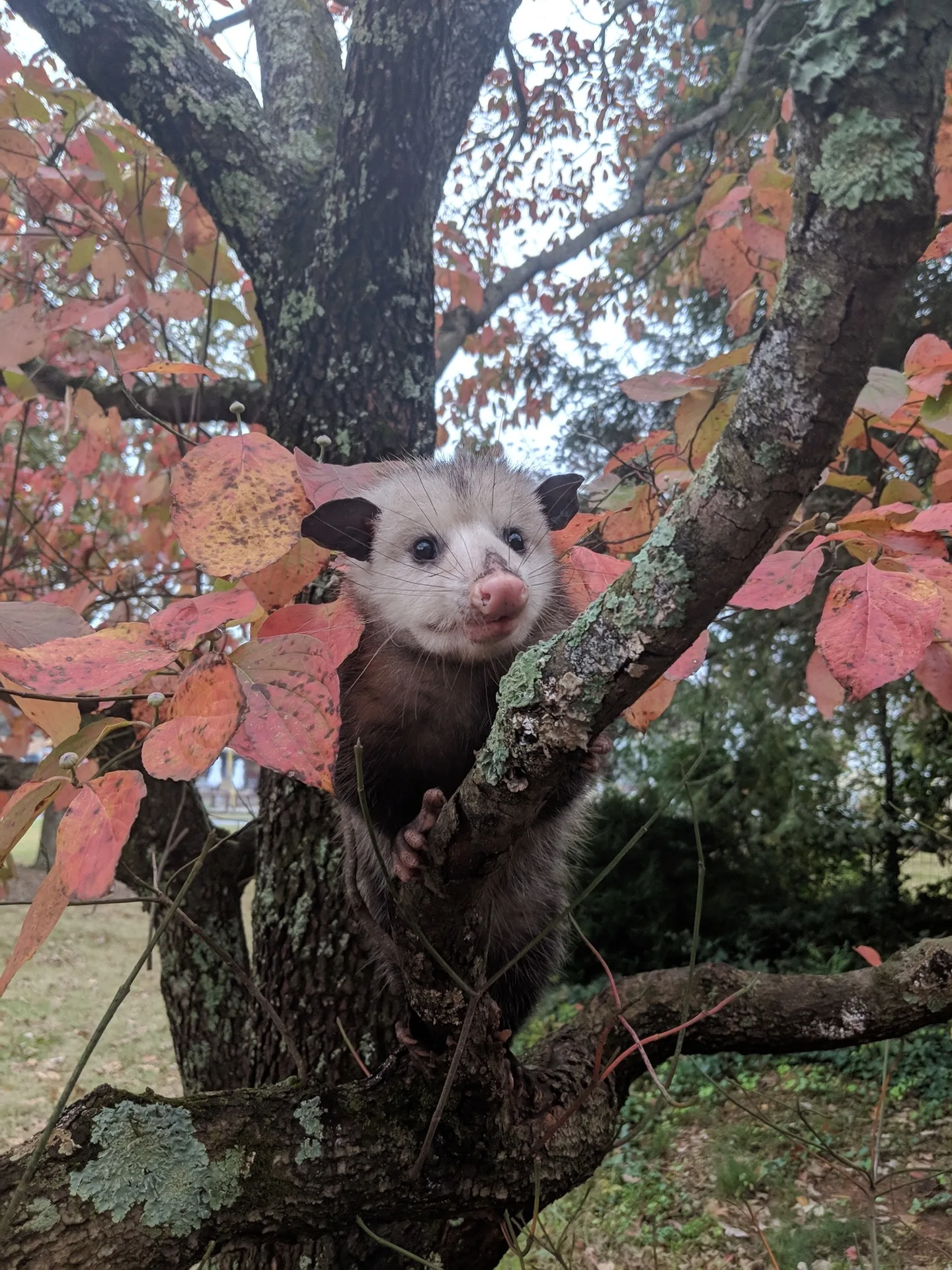
Virginia opossums (Didelphis virginiana) are North America's only marsupial and the most common nocturnal nuisance opossum across the continental United States. They typically enter residential properties seeking food and shelter, often denning under decks, in attics, and inside crawlspaces. Opossums are not aggressive but can bite when cornered, and they carry leptospirosis and several other zoonotic risks. They have a remarkably low rabies-vector status (their body temperature is too low to support rabies replication), but other health concerns apply. Activity peaks fall through early spring as outdoor food becomes scarcer.
Opossum Removal — Find Your Local Contractor
Click your state below to find the licensed contractor in your county.
Or browse by state below to find a verified local contractor.
Opossum Removal Services Available
Opossums carry leptospirosis and other diseases. Their droppings contaminate insulation and require professional cleanup.
Warning Signs
Opossums are active year-round. They breed twice per year (January-February and June-August) and mothers with young need careful handling.
- Hissing sounds in attic or crawlspace
- Strong musky odor
- Droppings in attic or garage
- Tipped garbage cans
- Opossum sightings around home
What Professionals Do
Licensed contractors handle every aspect of opossum removal — capture, exclusion, sanitation, repair.
- Live trapping and relocation
- Attic and crawlspace cleanup
- Entry point sealing
- Odor treatment
- Deck and foundation exclusion
Opossum Behavior and Why They End Up in Homes
Virginia opossums are nocturnal, slow-moving, and surprisingly intelligent — they have remarkable spatial memory and adapt well to suburban environments. They eat almost anything (carrion, fruit, garbage, pet food, small rodents, ticks). They are not aggressive but defend themselves by hissing, baring teeth, or playing dead ("playing possum"). They typically den under decks, in crawlspaces, in attics, or in detached outbuildings. Females breed twice a year in most of the U.S., and young (joeys) ride in the mother's pouch for 60-70 days before transitioning to her back.
Signs You Have Opossums
- Hissing or chattering sounds from under a deck, crawlspace, or attic at night
- Strong musky odor near a den site
- Droppings resembling small dog feces, often with seed or fruit content
- Tipped or raided garbage cans overnight
- Visible nighttime activity on the property — opossums are not stealthy
Opossum Removal Cost — National Ranges
Most residential opossum removal jobs run between $200 and $500+ for trapping and relocation, plus $300-$900+ for exclusion (sealing under-deck access, crawlspace doors, foundation vents). Cleanup and decontamination of contaminated insulation or den sites typically adds $300-$1,500+. Each contractor in our directory provides free property-specific estimates.
Why Opossums Don't Carry Rabies (But Carry Other Risks)
Opossums have an unusually low body temperature (94-97°F vs the typical mammal 99-101°F), and rabies virus replicates poorly at those temperatures — making opossums one of the lowest rabies-vector species in North America. However, opossums carry leptospirosis (urine-transmitted, serious risk to outdoor pets), tuberculosis, spotted fever, and several other zoonotic diseases. Their droppings should be handled with PPE, and outdoor pets should not have contact with opossum urine.
Opossum Removal Cost
$150–$400+
Trapping and relocation. Cleanup and entry point sealing are additional services. Pricing varies by region, contractor, and severity. Each contractor in our directory provides free property-specific estimates.
Find a Licensed Opossum Removal Contractor by State
Click your state to find the contractor serving your county.
- Alabama
- Alaska
- Arizona
- Arkansas
- California
- Colorado
- Connecticut
- Delaware
- District of Columbia
- Florida
- Georgia
- Hawaii
- Idaho
- Illinois
- Indiana
- Iowa
- Kansas
- Kentucky
- Louisiana
- Maine
- Maryland
- Massachusetts
- Michigan
- Minnesota
- Mississippi
- Missouri
- Montana
- Nebraska
- Nevada
- New Hampshire
- New Jersey
- New Mexico
- New York
- North Carolina
- North Dakota
- Ohio
- Oklahoma
- Oregon
- Pennsylvania
- Rhode Island
- South Carolina
- South Dakota
- Tennessee
- Texas
- Utah
- Vermont
- Virginia
- Washington
- West Virginia
- Wisconsin
- Wyoming