🐾 Opossum Removal in College Grove
Local licensed expert serving College Grove and all of Williamson County. Opossums nest in attics, crawlspaces, and under decks — causing odor problems, droppings contamination, and potential disease exposure.
Opossums in College Grove, Tennessee
Virginia opossums (Didelphis virginiana) are a routine call type across College Grove and the work splits cleanly between residential under-deck and under-porch dens at the main house and barn-and-outbuilding contamination on the equestrian acreage. Opossums are not a rabies-vector species at any meaningful rate (their low body temperature is functionally hostile to the rabies virus), and they actually consume large numbers of ticks — the species ecologically is a net positive for agricultural and equestrian properties. The reasons College Grove residents call for removal are concrete and specific: tack-room and feed-room contamination by opossum urine and feces (which can transmit equine protozoal myeloencephalitis to horses), chicken-coop egg and young-bird predation, and the under-deck or under-porch denning that draws other wildlife to the same site.
Opossum Removal — College Grove, Tennessee
Licensed local expert. Same-day and emergency service in College Grove.
Serving College Grove and all of Williamson County, Tennessee
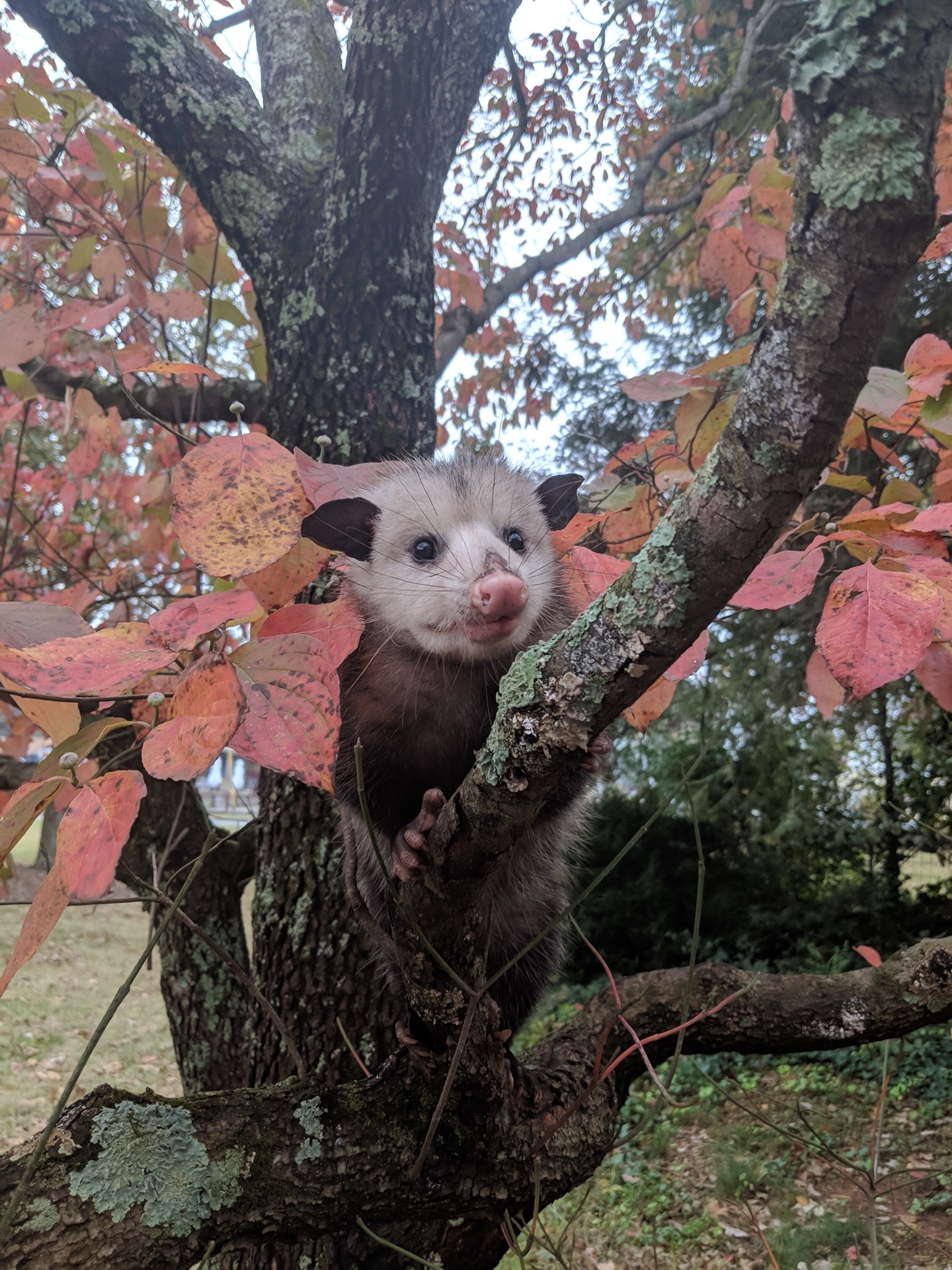
Opossum Removal in College Grove — What to Expect
Opossums carry leptospirosis and other diseases. Their droppings contaminate insulation and require professional cleanup.
Signs You Have Opossums
Opossums are active year-round. They breed twice per year (January-February and June-August) and mothers with young need careful handling.
- Hissing sounds in attic or crawlspace
- Strong musky odor
- Droppings in attic or garage
- Tipped garbage cans
- Opossum sightings around home
Our Process in College Grove
Our local Williamson County contractor serves all of College Grove using the same proven, humane process for every job.
- Live trapping and relocation
- Attic and crawlspace cleanup
- Entry point sealing
- Odor treatment
- Deck and foundation exclusion
The Opossum's Underrated Ecological Role — and Why College Grove Still Calls for Removal
Virginia opossums are one of the most beneficial wildlife species in middle Tennessee on a strictly ecological accounting: they consume large numbers of ticks (single individuals process thousands per season), kill venomous snakes (including copperheads — opossums are functionally immune to pit viper venom), and clean up carrion that would otherwise carry disease. Despite that, opossums on College Grove rural-residential and equestrian properties create three specific problems that drive the call volume. First, equine protozoal myeloencephalitis (EPM): opossums are the definitive host of Sarcocystis neurona, the protozoan parasite that causes EPM in horses — a serious neurologic disease. Opossum urine and feces in feed, water sources, and grazing areas transmits the parasite, and EPM is among the most-feared horse diseases on College Grove equestrian properties. Second, chicken coop predation: opossums take eggs and occasionally young birds, particularly during late-summer and fall when juveniles disperse and adults expand foraging range. Third, structural denning: under-deck, under-porch, under-barn-slab, and tack-room ceiling dens draw other wildlife (raccoons, snakes) and produce contamination requiring decontamination.
Where Opossums Establish in College Grove
- Under decks, porches, and HVAC platforms on the main residence — the most common den site, particularly during the cooler months when opossums seek thermal shelter.
- Tack rooms, feed rooms, and barn ceilings — opossums readily climb into rafters and ceiling cavities; the warmth and feed access make these high-priority sites.
- Under barn slabs and outbuilding foundations — frequently shared with skunks and previously-excavated by groundhogs.
- Chicken coops — the active predation site for opossums hunting eggs, young birds, and occasionally adult hens during late summer and fall.
- Garage and storage-shed clutter — opossums readily den among stored equipment and lumber piles.
Equine Protozoal Myeloencephalitis: The Horse-Health Reason for Tack-Room Exclusion
EPM is the single most-cited reason College Grove equestrian property owners call for opossum control on barn structures. The transmission cycle: opossums shed Sarcocystis neurona sporocysts in their feces; horses ingest contaminated grain, hay, water, or pasture; the parasite migrates to the central nervous system and produces neurologic disease that can range from mild ataxia to severe progressive disability. EPM is treatable when caught early but not always reversible. Effective prevention on a College Grove equestrian property requires opossum exclusion from every feed and tack structure: door-bottom seals, hardware-cloth screening on windows and ridge openings, sealing of utility penetrations, secured feed storage in metal containers with tight-fitting lids, and elimination of opossum access to hay storage, water troughs, and pasture forage staging areas.
Trapping and Exclusion Timing
Opossum trapping under TWRA rules is straightforward and effective with cage traps placed at den entries or active feed-room access points. Trapping happens year-round, but kit-rearing season (March through May, when young are on the mother's back or in the pouch) requires careful inspection because trapping a nursing female without identifying and removing the kits leads to orphan-mortality and downstream odor remediation. The licensed contractor handles species identification, pre-trapping inspection for kits, and TWRA-compliant disposition. Exclusion sealing happens after population clearance with hardware-cloth burial-grade skirting around deck and porch perimeters, structural sealing of barn and outbuilding access, and decontamination of contaminated feed-room and tack-room surfaces. Williamson County opossum coverage covers the regional pattern.
📅 Summer Activity
Opossums raise their second litter of the year through summer. Juvenile opossums dispersing from their mother are frequently found in unexpected places, including inside garages, under appliances, and in crawlspaces.
Opossum Removal Cost in College Grove
$150–$400+
Trapping and relocation. Cleanup and entry point sealing are additional services. Call for an estimate — pricing varies by contractor and job complexity.
Frequently Asked Questions — Opossum Removal in College Grove
Opossum Removal & Other Wildlife — Across Williamson County
Same licensed contractor, broader coverage.
More Wildlife Services in College Grove
Your local contractor handles all wildlife removal needs