Wildlife Removal in Davidson County, TN
Serving homeowners across Nashville, Belle Meade, Donelson, Hermitage, Antioch, Bellevue, and the Green Hills corridor — same-day wildlife removal, exclusion, and attic remediation by licensed Tennessee contractors.
Your Local Davidson County Expert
Licensed, insured & local. Available for same-day and emergency service.
Serving all of Davidson County, Tennessee
Services Available in Davidson County
Our local contractor handles every aspect of wildlife removal — from capture to exclusion to cleanup.
Wildlife Removal
Trained experts safely remove animals from your home using high-capture-rate trapping and exclusion techniques.
- 24/7 Emergency Response
- High Capture Success Rate
- Raccoons, Squirrels, Bats & More
- Safe & Humane Methods
- Certified Technicians
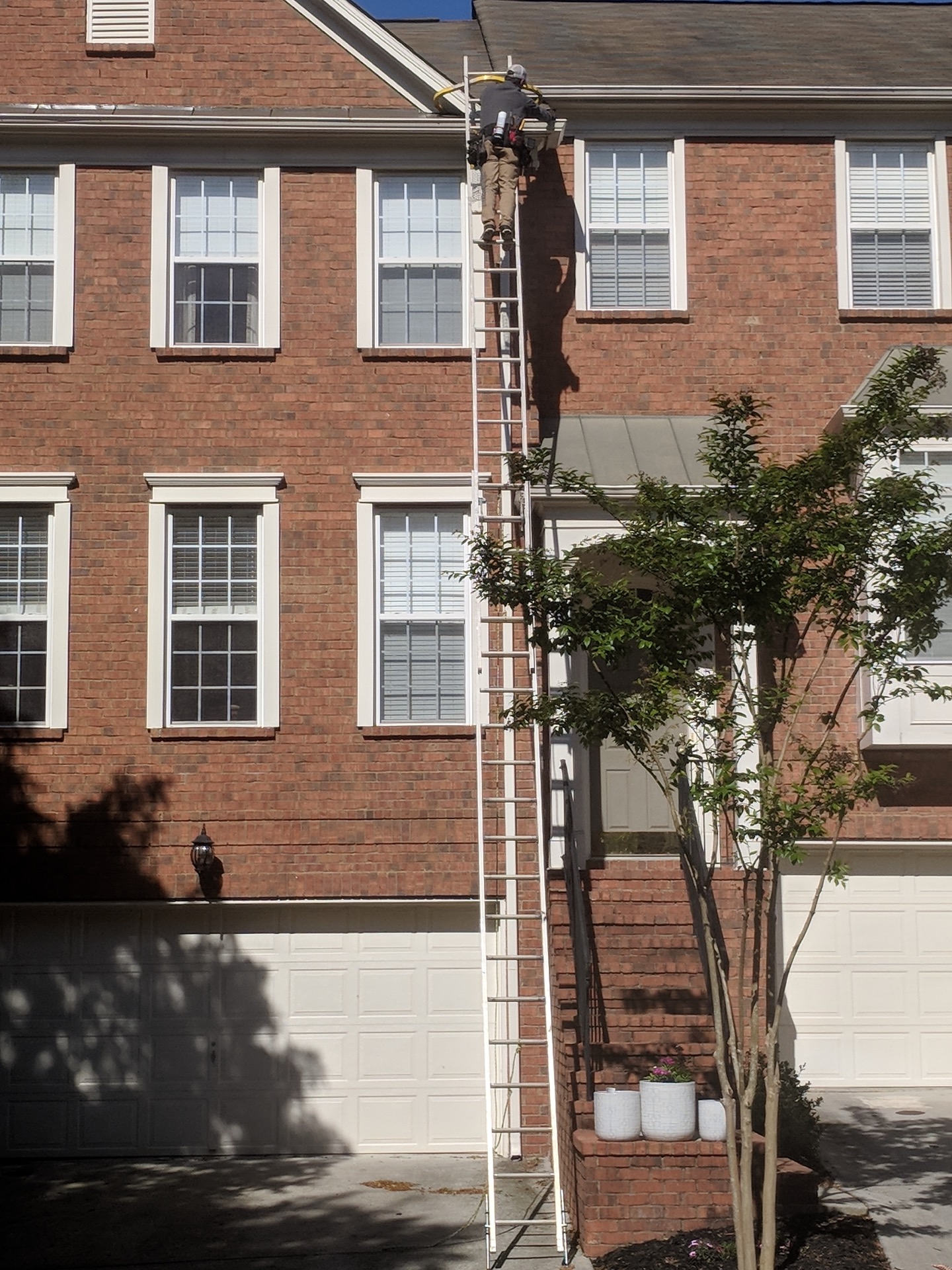 Core Service
Exclusion
Ensuring your home is properly sealed is the most important service we offer. We use only the highest quality materials and industry-best methods.
- Galvanized Steel Sealing
- Industry-Best Methods
- 1-Year Guarantee
- Permanent Prevention
Remediation
Whatever animal you had, they likely left waste and caused damage. Our team will deodorize, sanitize, and repair damaged material.
- Complete Waste Removal
- Deodorize & Sanitize
- Repair Damaged Materials
- Restore Home Value
Wildlife Removal by Animal in Davidson County
Find specific removal services in Davidson County
Cities & Communities We Serve in Davidson County
Find wildlife removal in your specific city or neighborhood
About Davidson County, Tennessee
Davidson County sits in the heart of Middle Tennessee's Nashville Basin along the Cumberland River, where Tennessee's state capital and largest urban core consolidated with the surrounding county in 1963 to form the Metropolitan Government of Nashville and Davidson County — the densest, most economically active, and most architecturally varied wildlife removal market in the state. With a population of 715,884 across the consolidated Nashville-Davidson footprint, the county runs from the pre-1900s brick row houses and early-1900s shotgun stock of East Nashville and Germantown, through downtown's Lower Broadway and Music Row, the affluent mature-canopy neighborhoods of Belle Meade, Forest Hills, Oak Hill, and Green Hills, the mid-century suburbs of Donelson, Madison, Inglewood, Crieve Hall, and Antioch, and out into the rugged Western Highland Rim terrain of Bellevue, Bells Bend, and Joelton. Established in 1783 and named for Revolutionary War general William Lee Davidson, the county is also home to six satellite cities — Belle Meade, Berry Hill, Forest Hills, Goodlettsville, Oak Hill, and the partially-Davidson Goodlettsville — that maintain separate municipal services inside Metro's borders, plus a regionally significant urban greenway-and-park network anchored by Warner Parks, Radnor Lake, Beaman Park, Bells Bend, and the Cumberland River floodplain corridor that defines Nashville's distinctive urban-wildlife profile.
Wildlife Common to Davidson County
Davidson County's wildlife profile is shaped by the collision of a fast-growing urban core, the Cumberland River corridor cutting through the heart of the city, and a regionally significant network of urban parks and natural areas — Warner Parks, Radnor Lake, Beaman Park, Bells Bend, and Shelby Bottoms — that push wildlife directly into the surrounding residential blocks. Norway rats are a dominant urban call source across downtown's Lower Broadway entertainment district, the Gulch, Germantown, the older commercial blocks of East Nashville and Five Points, the Music Row corridor, and the food-service zones of Hillsboro Village, 12 South, and the Nations — the densest Norway rat pressure in middle Tennessee. Big brown bat and Mexican free-tailed bat maternity colonies form heavily in the pre-1920s brick housing stock of East Nashville (Edgefield, Lockeland Springs, Inglewood), Germantown, the Belmont-Hillsboro and Music Row historic districts, and the original Belle Meade, Forest Hills, and Green Hills estates, with larger Mexican free-tailed colonies in commercial structures throughout downtown, the Music City Center area, and the older Donelson and Madison commercial corridors. Coyote sightings are now routine across every Nashville neighborhood from Belle Meade and Sylvan Park through Donelson, Bellevue, and Antioch, driven by the greenway network, the Warner Parks corridor, the Cumberland River floodplain, and the J. Percy Priest shoreline. Beavers cause routine flooding along Mill Creek, Browns Creek, Whites Creek, Richland Creek, and the smaller tributaries throughout the county. Copperhead encounters are concentrated in the wooded properties of Belle Meade, Forest Hills, Oak Hill, the Radnor Lake and Warner Parks bluff edges, the Bells Bend rural west side, and the Beaman Park-adjacent Joelton properties. Eastern gray squirrel intrusions are constant across the mature canopy of the historic neighborhoods, and groundhog burrow damage is a steady call source on the larger Belle Meade and Forest Hills lots. Striped skunks shelter under porches and decks across the pre-1950s housing stock countywide. The Mill Creek system is the only documented habitat in the world for the federally endangered Nashville crayfish — meaning any in-stream or bank work in the eastern Davidson Mill Creek tributaries is subject to direct U.S. Fish & Wildlife Service consultation. Virginia opossums shelter under decks, porches, and crawl spaces across the older East Nashville, Germantown, Inglewood, and Donelson housing stock, and dead-animal calls run year-round given Davidson's near-continuous urban wildlife activity. Striped skunks are persistent under porches and storage buildings throughout the pre-1950s residential housing stock countywide, and red and gray foxes routinely den under decks and outbuildings on the larger Belle Meade, Forest Hills, and Bellevue properties as well as the Bells Bend rural west side. Snake calls beyond copperheads — primarily Eastern rat snakes (frequently mistaken for venomous), garter snakes, and northern and brown watersnakes along the Cumberland and Mill Creek corridors — concentrate in spring and fall around the wooded properties throughout the western and southern halves of the county. River otters use the Cumberland River corridor and the J. Percy Priest tributaries, and the Mill Creek system supports the federally endangered Nashville crayfish — endemic to this watershed and to no other system in the world. White-tailed deer are abundant across the wooded west Davidson neighborhoods (Belle Meade, Forest Hills, Bellevue, Bells Bend) and the Percy Priest greenbelt — driving high vehicle-collision rates but falling under TWRA management rather than the private wildlife removal industry, black bears are very rarely documented passing through the western edge of the county along the Cheatham line, the federally endangered gray bat and Indiana bat have documented summer feeding flights over the Cumberland River corridor and the Mill Creek system and may roost in caves on the county's western and southern edges — any bat handling near these populations requires TWRA and U.S. Fish & Wildlife Service coordination, the federally endangered Nashville crayfish is endemic to the Mill Creek watershed and any in-stream or bank work along Mill Creek requires direct federal consultation, and timber rattlesnakes are present at very low density on the most rugged wooded ridgelines of the western and southern edges of the county but are uncommon at residential properties.
Davidson County's Geography Shapes Its Wildlife Activity
Davidson County sits squarely in the Nashville Basin — the limestone-floored interior lowland of Middle Tennessee — with the Western Highland Rim rising along the western edge of the county at Bellevue, Bells Bend, and Joelton, and the Cumberland River cutting from northeast to southwest directly through downtown Nashville. The Cumberland is the dominant ecological feature of the county and the principal wildlife corridor connecting Davidson to the surrounding counties. Cedar-glade limestone outcrops are scattered across the southern half of the county — most notably at Couchville Cedar Glade State Natural Area on the Percy Priest peninsula — and produce the rocky, brushy habitat that copperheads and the occasional timber rattlesnake use. The mature oak-hickory canopy of Belle Meade, Forest Hills, Oak Hill, Hillsboro, and Green Hills covers some of the oldest residential streetscapes in the region and drives Davidson's heavy raccoon, squirrel, and bat call volume.
Within or directly bordering the county sit several major public conservation lands and corridors: Radnor Lake State Park and State Natural Area in south Nashville (a Class II Natural Area — Tennessee's strictest park-protection category), Edwin and Percy Warner Parks on the western edge of Belle Meade (Nashville's largest municipal forest reserve at over 3,200 acres combined), Beaman Park in the rugged northwest, Bells Bend Park and Outdoor Center on the rural Cumberland meander, Shelby Bottoms Greenway and Nature Park along the Cumberland floodplain in East Nashville, and the southeast portion of the county that fronts J. Percy Priest Lake and includes part of Long Hunter State Park. The Hermitage historic site (Andrew Jackson's plantation) adds another layer of wooded, low-density habitat in eastern Davidson that pushes wildlife squarely into the surrounding residential blocks of Hermitage and Donelson.
Waterways That Move Wildlife Through the County
The Cumberland corridor is the dominant wildlife travel route, but Davidson is also drained by Mill Creek, Browns Creek, Whites Creek, Richland Creek, Stones River (forming the southern arm of Percy Priest), and a network of smaller tributaries — every one of which functions as a wildlife travel corridor connecting the county's parks and natural areas to the dense residential interior. Beavers move through these tributaries and routinely flood storm-detention ponds, walking-path culverts, and low-lying yards in the subdivisions along Mill Creek and Browns Creek and on the Percy Priest shoreline. River otters use the Cumberland corridor and the lower Stones River. The Mill Creek watershed is the only documented habitat in the world for the federally endangered Nashville crayfish (Faxonius shoupi) — meaning any in-stream or bank work in the Mill Creek system in eastern Davidson and the southern Antioch area is subject to direct U.S. Fish & Wildlife Service consultation. The Cumberland River system also supports federally listed freshwater mussels, and the broader watershed's mussel and darter fauna affects any large in-stream project.
Wildlife Species Present in Davidson County
Davidson residents most frequently call about animals that have moved from these urban parks and river corridors into the residential edge:
- Norway rats — the dominant urban nuisance species, with the densest pressure in middle Tennessee across downtown Lower Broadway, the Gulch, Germantown, the older East Nashville commercial blocks (Five Points, East End, Riverside), Music Row, and the food-service corridors of Hillsboro Village, 12 South, and the Nations
- Raccoons — heavy attic and chimney call volume across Belle Meade, Forest Hills, Green Hills, East Nashville, Inglewood, Donelson, and the older inner-ring neighborhoods
- Eastern gray squirrels — constant pressure across the mature oak-hickory canopy of Belle Meade, Forest Hills, Hillsboro Village, Belmont, 12 South, Sylvan Park, and the original Donelson and Madison residential streetscapes
- Big brown bats, Mexican (Brazilian) free-tailed bats, and evening bats — heavy maternity colonies in the pre-1920s brick housing stock of East Nashville (Edgefield, Lockeland Springs, Inglewood), Germantown, Belmont-Hillsboro, Music Row, and the original Belle Meade and Green Hills estates, plus larger Mexican free-tailed colonies in commercial structures throughout downtown and the Music City Center area
- Eastern coyotes — now firmly established across every Nashville neighborhood, using the Warner Parks, Radnor Lake, Shelby Bottoms, Beaman Park, and Cumberland River greenway corridors as travel routes and den sites
- Copperheads — the dominant venomous snake call, concentrated in the wooded properties of Belle Meade, Forest Hills, Oak Hill, the Radnor Lake and Warner Parks bluff edges, the Bells Bend and Bellevue hillsides, and the Beaman Park-adjacent Joelton properties
- Beavers and river otters in the Cumberland, Mill Creek, Browns Creek, Whites Creek, Richland Creek, and the Stones River/Percy Priest tributaries
- Nashville crayfish (federally endangered) — endemic to the Mill Creek system in eastern Davidson; in-stream or bank work along Mill Creek requires direct U.S. Fish & Wildlife Service consultation
- Woodchucks (groundhogs) — burrow damage to lawns, foundation plantings, and outbuildings across the larger Belle Meade, Forest Hills, Oak Hill, and Bells Bend lots
- Striped skunks, red foxes, and gray foxes — denning under porches, sheds, and storage buildings throughout the pre-1950s housing stock and the wooded west-Davidson properties
- Roof rats — documented in older Nashville commercial corridors and sometimes appearing alongside Norway rats in the downtown and East Nashville food-service blocks
- White-tailed deer — heavy density across the wooded west-Davidson neighborhoods (Belle Meade, Forest Hills, Bellevue, Bells Bend) and the Percy Priest greenbelt; vehicle-collision rates are significant, but deer fall under TWRA management rather than the private removal industry
- Snakes encountered residentially are dominated by the Eastern rat snake (frequently mistaken for venomous), the northern copperhead, northern and brown watersnakes along the Cumberland and Mill Creek, and common garter snakes. Timber rattlesnakes occur but are essentially restricted to the most rugged ridgeline habitat on the western and southern edges of the county — encounters at residential properties are uncommon.
Common Wildlife Issues That Define the Davidson County Job Mix
Several patterns in Davidson's call volume are distinctive enough to call out:
Norway rat control across downtown, East Nashville, and the food-service corridors
Davidson County carries the heaviest urban rat pressure in middle Tennessee — concentrated along Lower Broadway, the Gulch, Germantown, the East Nashville food-service blocks (Five Points, East End, Riverside), Music Row, and the Hillsboro Village, 12 South, and Nations corridors. Most calls are driven by burrow systems in the alley-and-dumpster gaps behind restaurants and bars, by the dense pre-1900s sewer infrastructure that runs beneath downtown and the older commercial neighborhoods, and by the river-corridor and storm-detention pond networks that thread between developments. Effective control is rarely a single visit — it requires bait-station systems coordinated across adjacent properties, structural sealing of foundation gaps and utility penetrations, and exterior pressure reduction from neighboring food-source properties. Roof rat populations are increasingly documented in some of the same blocks and require a different baiting and exclusion approach because they nest in elevated voids rather than in burrows.
Bats in pre-1920s East Nashville, Germantown, and Belle Meade brick housing stock
The pre-1920s housing stock in East Nashville (Edgefield, Lockeland Springs, Inglewood), Germantown, the Belmont-Hillsboro and Music Row historic districts, and the original Belle Meade and Forest Hills estates is the classic substrate for big brown bat and Mexican free-tailed bat maternity colonies — louvered gable vents, original wood-shake or slate roofing, decades of unmaintained soffits, and the brick-and-stone parapet walls common to the older commercial structures. Mexican free-tailed bats form the larger colonies (sometimes 500-2,000 individuals) in larger commercial structures throughout downtown, the Music City Center area, and the older Donelson and Madison commercial corridors, and the guano accumulation in long-occupied roosts can be substantial enough to require HEPA-equipped decontamination after exclusion. TWRA restricts active exclusion during the bat maternity period (roughly mid-May through early August) to protect non-volant pups, so most exclusion work is scheduled outside that window. Davidson's older brick housing stock is also more entry-point-dense than the Williamson and Rutherford suburban housing stock to the south and east — multi-entry exclusion (five to ten or more sealed points per property) is the norm rather than the exception.
Coyote management in the Warner Parks, Radnor, and Cumberland greenway corridors
Coyote sightings now occur in nearly every Nashville neighborhood, with the heaviest call density in Belle Meade and Forest Hills (driven by the Warner Parks corridor and the Radnor Lake bluff edge), East Nashville and Inglewood (Shelby Bottoms and the Cumberland floodplain), the Bellevue and Bells Bend rural-edge subdivisions, and the Antioch and Hermitage subdivisions backing onto Percy Priest. Most calls are driven by missing cats, daytime sightings near schools and parks, or visible den activity in the stormwater easements and creek corridors that thread between developments. Coyotes are using the Warner Parks corridor, the Radnor Lake bluffs, the Cumberland River greenway, the Mill Creek and Browns Creek corridors, the Beaman Park-Bells Bend rural edge, and the Shelby Bottoms floodplain as travel routes and den sites. Removal is rarely lethal — most resolutions involve hazing, exclusion of food sources (pet food left out, accessible trash, fallen fruit), and disturbance of confirmed den sites. Metro Nashville has its own animal services policies that affect when and where lethal removal is allowed inside the consolidated city limits.
Copperhead removal in the Radnor, Belle Meade, and Bells Bend hillsides
Copperhead encounters are routine in the wooded properties of Belle Meade, Forest Hills, Oak Hill, the Radnor Lake and Warner Parks bluff edges, the Bells Bend and Bellevue hillsides, and the Beaman Park-adjacent Joelton properties — terrain that produces the rocky, brushy habitat copperheads use. Encounters peak in spring and early fall when daytime temperatures drive snakes to bask on warm surfaces (rock retaining walls, brick patios, mulch beds, paved walkways). A licensed contractor will identify the species before handling — the Eastern rat snake is the most frequently mis-identified non-venomous species in this county and accounts for many calls that turn out to be harmless — and coordinate with local emergency services for any envenomation concern.
Beaver flooding along Mill Creek, Browns Creek, and the Percy Priest shoreline
Subdivisions along Mill Creek (Antioch, Crieve Hall, southeast Davidson), Browns Creek (south Nashville), Whites Creek (north Davidson), Richland Creek (West Nashville and Sylvan Park), and the Percy Priest shoreline see recurring beaver-related flooding of yards, walking paths, greenway culverts, and storm-detention ponds. Most resolutions involve some combination of trapping and the installation of dam-leveler devices to manage water levels rather than full beaver removal. Work in or directly adjacent to the Mill Creek system requires coordination with TWRA and the U.S. Fish & Wildlife Service given the federally endangered Nashville crayfish populations in the watershed, and any work along the Cumberland main stem may require U.S. Army Corps of Engineers coordination given the lock-and-dam navigation infrastructure.
Federally Protected Species in the Davidson County Watersheds
The Cumberland River and Mill Creek systems in Davidson County support several federally protected aquatic species that affect any in-stream or bank work in the county. The Nashville crayfish (Faxonius shoupi) is federally endangered and is endemic to the Mill Creek watershed in eastern Davidson — Mill Creek is the only documented habitat for this species in the world. Any in-stream work, bank stabilization, culvert replacement, or beaver-management activity in the Mill Creek system requires direct U.S. Fish & Wildlife Service Tennessee Field Office consultation. Several federally listed freshwater mussels occur in the Cumberland River and the broader watershed. The gray bat (federally endangered) and Indiana bat (federally endangered) have documented summer feeding flights over the Cumberland corridor and may roost in caves on the western and southern edges of the county — bat handling near these populations requires TWRA and U.S. Fish & Wildlife Service coordination. The tricolored bat (Perimyotis subflavus) is federally proposed for listing and is documented in middle Tennessee. Bald eagles remain protected under the Bald and Golden Eagle Protection Act and the Migratory Bird Treaty Act and are nesting at Old Hickory Lake and Percy Priest Lake within driving range of east Davidson. None of this affects most residential work — but contractors operating in the county are required to know which species can be handled directly and which require state or federal coordination.
Local Authorities and Regulations
Metro Nashville Animal Care and Control handles domestic-animal complaints — stray dogs, cat colonies, bite reports — but does not respond to most nuisance wildlife calls. Raccoons, squirrels, bats, snakes, beavers, coyotes, groundhogs, skunks, and similar species are referred to private licensed wildlife control operators. State-level oversight comes from the Tennessee Wildlife Resources Agency (TWRA) Region II — Nashville office (headquartered in Davidson County), which administers the Nuisance Wildlife Control Operator (NWCO) certification required of commercial operators and enforces species-specific handling and disposition rules. Federal protections apply to bats during maternity periods, all migratory birds (Canada geese, owls, hawks, woodpeckers, herons), the federally endangered Nashville crayfish in the Mill Creek system, the federally listed bats and mussels in the Cumberland system, and bald eagles at Old Hickory and Percy Priest. The Metropolitan Government of Nashville and Davidson County maintains its own municipal codes that affect wildlife work — particularly around discharge of firearms, trapping inside the consolidated city limits, and the use of pesticides and rodenticides in the food-service corridors — and the satellite cities of Belle Meade, Berry Hill, Forest Hills, Oak Hill, and Goodlettsville maintain additional municipal codes that apply on top of Metro's. Historic-overlay districts in East Nashville, Germantown, the Edgefield neighborhood, and the Music Row commercial district require coordination with the Metro Historic Zoning Commission for any visible structural changes during exclusion work. Every contractor in this directory operating in Davidson County is required to hold the applicable state and federal credentials.
Service Coverage in Davidson County
Coverage spans all of Davidson County including Nashville, Belle Meade, Berry Hill, Forest Hills, plus the Donelson, Hermitage, Antioch, Bellevue, Madison, Inglewood, Hillsboro Village, Belmont, 12 South, Sylvan Park, Green Hills, Crieve Hall, Edgehill, the Gulch, Music Row, East Nashville, Germantown, Joelton, and Bells Bend communities. The county's mix of dense urban entertainment and food-service corridors, pre-1900s historic brick housing stock, mid-century ring suburbs, affluent old-growth canopy estates in Belle Meade and Forest Hills, and rugged western Highland Rim terrain — combined with the year-round wildlife activity that defines middle Tennessee's mild-winter climate — means contractors here handle the heaviest mix of urban Norway rat work, large bat colony exclusion in pre-1920s brick, aggressive coyote management in the Warner Parks and Cumberland River greenway corridors, copperhead removal in the Radnor Lake and Belle Meade hillside neighborhoods, and Mill Creek-system work that requires federal Nashville crayfish consultation.
Seasonal Activity Patterns
Wildlife intrusion in Davidson County follows Tennessee's main pressure windows: February through April for raccoon and squirrel denning, May through August for bat maternity colonies in attics, and a sustained year-round pressure across middle and west Tennessee where mild winters keep wildlife active and breeding cycles overlap. Tennessee's humid subtropical climate and mild winters allow many nuisance species — raccoons, squirrels, opossums, rats, skunks, and coyotes — to remain active twelve months a year and breed multiple times per year, particularly across the Nashville Basin and the Mississippi River bottomlands of west Tennessee where call volume rarely drops off.
Tennessee Wildlife Regulations
All commercial wildlife removal in Tennessee is regulated by the Tennessee Wildlife Resources Agency. TWRA requires commercial wildlife operators to hold a Nuisance Wildlife Control Operator (NWCO) certification and to follow species-specific handling and disposition rules; bats and migratory birds carry additional federal handling restrictions, and large game species including white-tailed deer, black bears, wild turkey, and migratory waterfowl fall under direct TWRA management rather than the private wildlife removal industry. Every contractor in our network holds the applicable TWRA certification and operates within TWRA guidelines on species-specific handling and relocation.
What to Do Before the Contractor Arrives
- Note where you've seen or heard the animal — attic, crawlspace, chimney, or yard
- Don't attempt to handle or block animals yourself — this can be dangerous
- Keep pets and children away from the affected area
- Take photos of any damage or entry points you've spotted
Davidson County, Tennessee — Service Area Map
Coverage spans the full Davidson County footprint. Tap the map to open directions in Google Maps.
Frequently Asked Questions: Wildlife Removal in Davidson County
What wildlife is most common in Davidson County, Tennessee?
In residential and commercial calls across Davidson County, Norway rats are the dominant urban nuisance species — particularly in downtown, the Gulch, Germantown, East Nashville, Music Row, and the Hillsboro Village, 12 South, and Nations food-service corridors. Raccoons, Eastern gray squirrels, Virginia opossums, big brown bats, and Mexican free-tailed bats make up the bulk of attic and chimney intrusions across the older inner-ring neighborhoods. Snake calls — primarily Eastern rat snakes and northern copperheads — concentrate around the wooded properties of Belle Meade, Forest Hills, Oak Hill, the Radnor Lake and Warner Parks bluff edges, and the Bells Bend rural west side. Coyotes are now firmly established across every Nashville neighborhood. Beavers drive most of the water-related complaints along Mill Creek, Browns Creek, Whites Creek, Richland Creek, and the Percy Priest shoreline. The Mill Creek watershed contains the world's only documented habitat for the federally endangered Nashville crayfish. Larger species — white-tailed deer in west Davidson, the very rare black bear that wanders from the Cheatham line, and migratory waterfowl — fall under direct TWRA management rather than the private removal industry.
How serious is the rat problem in Nashville and East Nashville?
Davidson County carries the heaviest urban rat pressure in middle Tennessee. Norway rats are concentrated along Lower Broadway, the Gulch, Germantown, the East Nashville food-service blocks (Five Points, East End, Riverside), Music Row, and the Hillsboro Village, 12 South, and Nations corridors — driven by burrow systems in the alley-and-dumpster gaps behind restaurants and bars, the dense pre-1900s sewer infrastructure beneath downtown and the older commercial neighborhoods, and the river-corridor and storm-detention pond networks. Effective control is rarely a single visit — it requires bait-station systems coordinated across adjacent properties, structural sealing of foundation gaps and utility penetrations, and exterior pressure reduction from neighboring food-source properties. Roof rats are increasingly documented in some of the same blocks and require a different baiting and exclusion approach because they nest in elevated voids rather than in burrows. A licensed contractor will scope the property, the neighboring blocks, and the city infrastructure draws before quoting a sustainable-control plan.
What should I do about bats in my East Nashville or Germantown attic?
Don't try to handle a bat colony yourself. Bats in Tennessee carry rabies risk, are protected by state and federal regulations during the maternity period, and require specialized exclusion technique to remove without sealing pups inside the structure. Davidson's pre-1920s housing stock — East Nashville (Edgefield, Lockeland Springs, Inglewood), Germantown, the Belmont-Hillsboro and Music Row historic districts, and the original Belle Meade and Forest Hills estates — is the classic substrate for big brown bat and Mexican free-tailed bat maternity colonies forming in louvered gable vents and original wood-shake or slate roofing. Mexican free-tailed bat colonies in larger commercial structures (downtown, Music City Center, older Donelson and Madison commercial blocks) can produce substantial guano accumulation that requires HEPA-equipped decontamination after exclusion. TWRA restricts active exclusion during the maternity period (roughly mid-May through early August) to protect non-volant pups. A licensed contractor will typically schedule work for August through April, install one-way exit devices, and seal the structure once the colony has been confirmed to have left. Davidson's older brick housing also tends to require multi-point exclusion (five to ten or more sealed entries per property) rather than a single-point repair.
Are coyotes a problem in Belle Meade, East Nashville, and the Nashville greenways?
Yes — coyote sightings are now routine across nearly every Nashville neighborhood, with the heaviest activity in Belle Meade and Forest Hills (driven by the Warner Parks corridor and the Radnor Lake bluff edge), East Nashville and Inglewood (Shelby Bottoms and the Cumberland floodplain), the Bellevue and Bells Bend rural-edge subdivisions, and the Antioch and Hermitage subdivisions backing onto Percy Priest. The most common reasons residents call are missing cats, daytime sightings near schools and parks, and visible den activity in stormwater easements and creek corridors. Resolutions are rarely lethal — they typically involve hazing, removing food sources (pet food left out, accessible trash, fallen fruit), and disrupting confirmed den sites. Metro Nashville has its own animal services policies that affect when and where lethal removal is allowed inside the consolidated city limits, and a licensed contractor will work within those rules and can address the food-source side of the problem at neighboring properties when the issue is community-wide.
How do I handle a copperhead at my Belle Meade or Radnor-area property?
Copperhead encounters are routine in the wooded properties of Belle Meade, Forest Hills, Oak Hill, the Radnor Lake and Warner Parks bluff edges, the Bells Bend and Bellevue hillsides, and the Beaman Park-adjacent Joelton properties — terrain that produces the rocky, brushy habitat copperheads use. Stay back, keep pets and children well away, and call a licensed wildlife contractor for identification and removal. The Eastern rat snake is by far the most frequently mis-identified non-venomous species in this county and accounts for many calls that turn out to be harmless. A licensed contractor will identify the species before handling. If a bite has occurred, treat it as a medical emergency — call 911 and get to a hospital with antivenom availability. Do not attempt cut-and-suck treatments, tourniquets, or self-relocation.
Is wildlife removal regulated in Davidson County?
Yes. Wildlife removal in Davidson County operates under three layers of regulation. State-level oversight comes from the Tennessee Wildlife Resources Agency (TWRA) Region II, Nashville office (headquartered in Davidson County), which administers the Nuisance Wildlife Control Operator (NWCO) certification required for commercial operators and enforces species-specific handling and disposition rules. Federal protections apply to bats, all migratory birds (Canada geese, owls, hawks, woodpeckers, herons), the federally endangered Nashville crayfish in the Mill Creek system, the federally listed bats and mussels in the Cumberland system, and bald eagles at Old Hickory and Percy Priest Lakes. The Metropolitan Government of Nashville and Davidson County maintains its own municipal codes affecting trapping, firearm discharge, and rodenticide use inside the consolidated city limits, and the satellite cities of Belle Meade, Berry Hill, Forest Hills, Oak Hill, and Goodlettsville maintain additional municipal codes that apply on top of Metro's. Historic-overlay districts in East Nashville, Germantown, Edgefield, and Music Row require coordination with Metro Historic Zoning Commission review for visible structural changes during exclusion work. Metro Nashville Animal Care and Control handles domestic-animal calls but does not respond to most nuisance wildlife — those calls are referred to licensed private operators. Every contractor in this directory holds the applicable state and federal credentials.
How much does wildlife removal cost in Davidson County?
Pricing varies significantly with the species, the extent of the intrusion, and how much exclusion work is needed to keep the animal out. A single squirrel or raccoon removal on a clean attic typically runs a few hundred dollars; a full bat colony exclusion with attic remediation, sanitization, and sealed entry points can run several thousand. Long-established Mexican free-tailed bat colonies in larger commercial structures, with full guano remediation, run higher. Urban Norway rat work in the downtown and East Nashville food-service corridors is typically priced as an ongoing service rather than a one-visit job, with bait-station rotations, exclusion sealing, and exterior pressure-reduction work coordinated across adjacent properties. Beaver and coyote work is priced by trap-set count and visit frequency, and copperhead removal is typically a flat per-visit charge. Historic-district work in East Nashville, Germantown, Edgefield, and Music Row can run higher because of the multi-entry-point profiles typical in pre-1900s housing and the coordination required with Metro Historic Zoning Commission for visible structural changes. The most accurate way to get a number is a free phone consult with a Davidson-based contractor — most quote at no cost over the phone once they understand the species and the property.
Are there protected species in Davidson County I should be aware of?
Yes. The Mill Creek watershed in eastern Davidson is the world's only documented habitat for the federally endangered Nashville crayfish — any in-stream work, bank stabilization, culvert replacement, or beaver-management activity in the Mill Creek system requires direct U.S. Fish & Wildlife Service Tennessee Field Office consultation. The Cumberland River and broader watershed support several federally listed freshwater mussels. The federally endangered gray bat and Indiana bat have documented summer feeding flights over the Cumberland corridor and may roost in caves on the western and southern edges of the county — any bat handling near these populations requires TWRA and U.S. Fish & Wildlife Service coordination. The tricolored bat is federally proposed for listing and is documented in middle Tennessee. Bald eagles nest at Old Hickory Lake and Percy Priest Lake and are protected under the Bald and Golden Eagle Protection Act and the Migratory Bird Treaty Act. All bats are protected by TWRA regulations during maternity season. Migratory birds (Canada geese, owls, hawks, woodpeckers, herons) require federal Migratory Bird Treaty Act permits for any active take. Licensed contractors are required to know which species can be handled directly and which require specific federal or state permitting.
Neighboring Counties
Need wildlife removal in a county next to Davidson County? We cover those too.
- Wildlife removal in Williamson County — directly to the south — Franklin, Brentwood, and the Cool Springs corridor
- Rutherford County wildlife services — to the southeast, anchored by Murfreesboro and Smyrna
- Wilson County animal removal — to the east, sharing the J. Percy Priest Lake shoreline and Mt. Juliet
- Sumner County wildlife removal — to the northeast, sharing Old Hickory Lake and including Hendersonville
- Robertson County wildlife services — to the north, the rural farmland corridor north of Goodlettsville
- Cheatham County wildlife removal — to the west, the lower Cumberland River and the Bells Bend boundary