Wildlife Removal in Essex County, VT
Local licensed experts ready to remove, exclude, and remediate — fast.
Your Local Essex County Expert
Licensed, insured & local. Available for same-day and emergency service.
Serving all of Essex County, Vermont
(844) 544-3498
We don't have a licensed contractor in Essex County yet — but we're expanding fast. Contact us and we'll connect you with help.
Contact Us for HelpServices Available in Essex County
Our local contractor handles every aspect of wildlife removal — from capture to exclusion to cleanup.
Wildlife Removal
Trained experts safely remove animals from your home using high-capture-rate trapping and exclusion techniques.
- 24/7 Emergency Response
- High Capture Success Rate
- Raccoons, Squirrels, Bats & More
- Safe & Humane Methods
- Certified Technicians
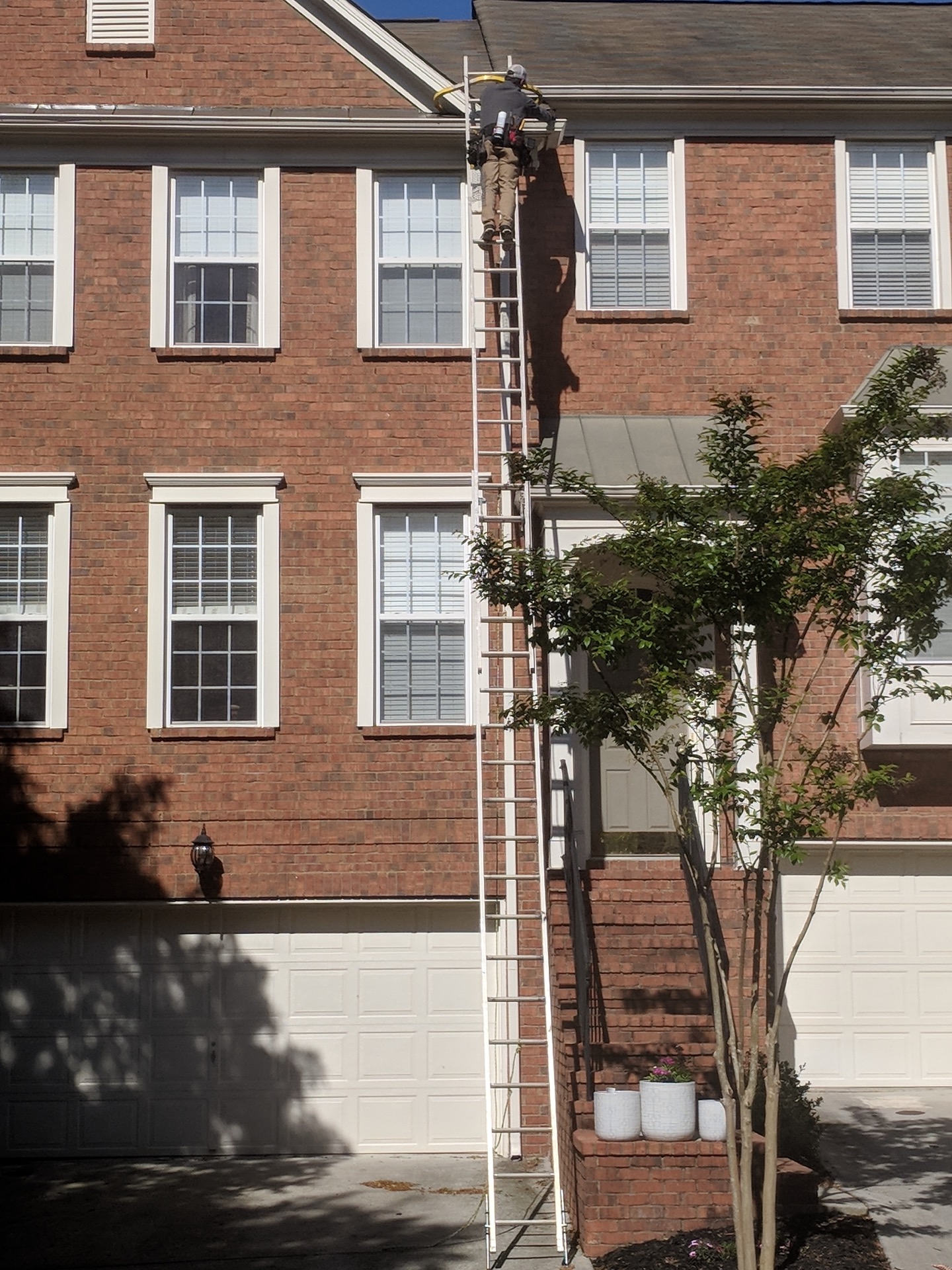 Core Service
Exclusion
Ensuring your home is properly sealed is the most important service we offer. We use only the highest quality materials and industry-best methods.
- Galvanized Steel Sealing
- Industry-Best Methods
- 1-Year Guarantee
- Permanent Prevention
Remediation
Whatever animal you had, they likely left waste and caused damage. Our team will deodorize, sanitize, and repair damaged material.
- Complete Waste Removal
- Deodorize & Sanitize
- Repair Damaged Materials
- Restore Home Value
Wildlife Removal by Animal in Essex County
Find specific removal services in Essex County
Cities & Communities We Serve in Essex County
Find wildlife removal in your specific city or neighborhood
About Essex County, Vermont
Fewer than 6,200 people live in Essex County — Vermont's least populated county and one of the most sparsely settled in New England. The county occupies the extreme northeastern corner of the state, bordered by Quebec to the north, New Hampshire to the east, and vast working timberlands on all other sides. Island Pond is the largest community; Guildhall is the county seat on the Connecticut River. St. Johnsbury, about 35 miles south, is the nearest population center with commercial services.
Wildlife Common to Essex County
Essex County's wildlife removal demand is shaped entirely by its forested, remote character — and almost entirely by species that thrive in working timberland. Beavers flood roads, drainage culverts, and low-lying camp properties throughout the county's many wetland zones, including within the Nulhegan Basin section of the Silvio O. Conte National Fish and Wildlife Refuge — and ongoing dam management is one of the most consistent service requirements in the region. Fishers and porcupines are a year-round nuisance at hunting camps and seasonal cabins, damaging stored gear, deck structures, and wooden outbuilding components. Bat colonies are routine in older agricultural barns and remote camp structures, and red squirrels chew through wood and intrude into attic spaces in the same buildings. Muskrats are persistent along the wetland margins of the Connecticut River headwaters. Black bears and moose are abundant throughout this remote forest country, but both fall under Vermont Fish and Wildlife jurisdiction rather than private wildlife removal contractor scope.
Service Coverage in Essex County
Service covers Island Pond, Concord, Lunenburg, Canaan, and Guildhall, along with the remote townships throughout the county. St. Johnsbury is about 35 miles south and is the nearest population center — distances here and the county's limited year-round population make locally aware contractors essential.
Seasonal Activity Patterns
Wildlife intrusion in Essex County follows Vermont's three main pressure windows: March through May during spring squirrel, raccoon, and skunk dispersal, summer for bat maternity colonies in attics and barns, and a heavy rodent and squirrel surge from October into early winter as cold weather drives them indoors. Vermont's long, cold winters drive rodents, bats, and squirrels indoors aggressively, and the seasonal-occupancy pattern of vacation properties across the state creates concentrated nuisance windows when homes sit empty for months at a time.
Vermont Wildlife Regulations
All commercial wildlife removal in Vermont is regulated by the Vermont Fish and Wildlife Department. Vermont requires a Nuisance Wildlife Control Operator certification for commercial trappers, and migratory birds carry additional state and federal handling restrictions; large game animals fall under direct Vermont Fish and Wildlife Department management rather than the private wildlife removal industry. Every contractor in our network holds a valid Vermont NWCO certification and operates within Vermont Fish and Wildlife guidelines on species-specific handling and relocation.
What to Do Before the Contractor Arrives
- Note where you've seen or heard the animal — attic, crawlspace, chimney, or yard
- Don't attempt to handle or block animals yourself — this can be dangerous
- Keep pets and children away from the affected area
- Take photos of any damage or entry points you've spotted