Wildlife Removal in Shelby County, TN
Serving homeowners across Memphis, Bartlett, Collierville, Germantown, Cordova, Arlington, and the Midtown and East Memphis corridors — same-day wildlife removal, exclusion, and attic remediation by licensed Tennessee contractors.
Your Local Shelby County Expert
Licensed, insured & local. Available for same-day and emergency service.
Serving all of Shelby County, Tennessee
Services Available in Shelby County
Our local contractor handles every aspect of wildlife removal — from capture to exclusion to cleanup.
Wildlife Removal
Trained experts safely remove animals from your home using high-capture-rate trapping and exclusion techniques.
- 24/7 Emergency Response
- High Capture Success Rate
- Raccoons, Squirrels, Bats & More
- Safe & Humane Methods
- Certified Technicians
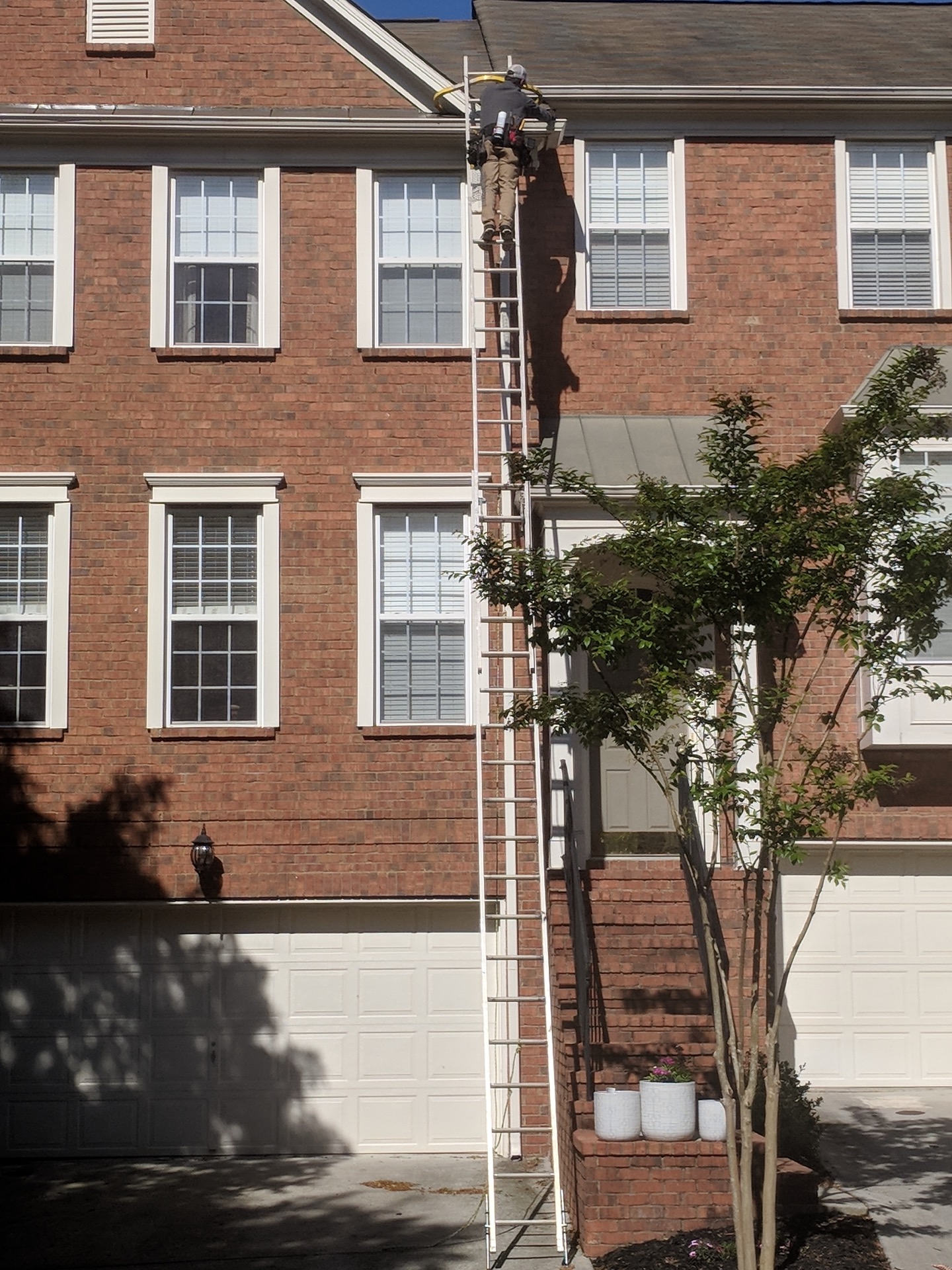 Core Service
Exclusion
Ensuring your home is properly sealed is the most important service we offer. We use only the highest quality materials and industry-best methods.
- Galvanized Steel Sealing
- Industry-Best Methods
- 1-Year Guarantee
- Permanent Prevention
Remediation
Whatever animal you had, they likely left waste and caused damage. Our team will deodorize, sanitize, and repair damaged material.
- Complete Waste Removal
- Deodorize & Sanitize
- Repair Damaged Materials
- Restore Home Value
Wildlife Removal by Animal in Shelby County
Find specific removal services in Shelby County
Cities & Communities We Serve in Shelby County
Find wildlife removal in your specific city or neighborhood
About Shelby County, Tennessee
Shelby County sits on the Mississippi River bluffs of southwest Tennessee, where the city of Memphis occupies the fourth Chickasaw Bluff above the river and the rest of the county runs east across the Mississippi alluvial plain into the Wolf River, Loosahatchie River, and Nonconnah Creek bottomlands. With a population of 910,530 — the largest county in Tennessee and one of the largest metropolitan markets between Nashville and Dallas — Shelby runs from the pre-1900s Victorian South Bluffs and the Pinch District, through the mature-canopy Midtown belt of Cooper-Young, Central Gardens, Evergreen, and Vollintine-Evergreen, into the post-war ranch-and-split-level subdivisions of Frayser, Raleigh, Whitehaven, and Hickory Hill, the East Memphis old-money corridors of Audubon Park, Chickasaw Gardens, and Galloway Gardens, and out into the rapidly growing 1990s-2020s suburbs of Cordova, Bartlett, Collierville, Germantown, Arlington, and Lakeland. Established in 1819 and named for Tennessee governor and Battle of King's Mountain veteran Isaac Shelby, the county anchors a distinctive wildlife removal market shaped by Mississippi River bottomland, a deep urban housing stock, and the 4,500-acre Shelby Farms Park sitting in the geographic center of the metro. The river corridor, the Wolf River Greenway, and the Nonconnah Creek system push wildlife pressure through the residential interior in ways no other Tennessee county sees.
Wildlife Common to Shelby County
Shelby County's wildlife profile is shaped by three forces no other Tennessee county shares simultaneously: the Mississippi River corridor on the west, a deep and aging urban housing stock across Memphis and the inner-ring neighborhoods (Frayser, Whitehaven, Raleigh, Hickory Hill, Cordova), and the Wolf River, Loosahatchie River, and Nonconnah Creek bottomlands cutting through the residential interior. Norway rats are the single highest-volume call species in the metro — concentrated along the Beale Street and South Main entertainment corridor, the Cooper-Young and Overton Square food-service blocks, the Madison Avenue restaurant strip, the older South Memphis and Frayser commercial corridors, and the Highland Strip near the University of Memphis — driven by a humid subtropical climate that keeps rat reproduction active year-round, the dense pre-1900s combined sewer infrastructure beneath downtown, and the Mississippi River and Wolf River Harbor edge that supports a continuous waterfront rat population. Roof rats are documented across the older Midtown housing belt (Cooper-Young, Central Gardens, Evergreen, Vollintine-Evergreen) and have been spreading aggressively over the past decade, requiring different bait-and-exclusion approaches than Norway rats. Big brown bat and Mexican free-tailed bat maternity colonies form heavily in the pre-1920s brick housing of Central Gardens, Cooper-Young, Evergreen, the Pinch District, the South Bluffs Victorian belt, and the original 1950s East Memphis ranches — and Mexican free-tailed colonies in larger commercial structures throughout downtown, the Pyramid area, the Medical Center, and the older South Memphis warehouse blocks can run into the thousands of individuals. Raccoon attic and chimney calls run year-round across the historic Midtown and East Memphis housing stock, the Whitehaven and Frayser post-war ranches, and the Cordova, Bartlett, Collierville, and Germantown subdivisions — driven by the Wolf River Greenway corridor, the Shelby Farms Park edge, and the Nonconnah Creek bottomland that push raccoons directly into the surrounding residential blocks. Cottonmouths (Western cottonmouth, Agkistrodon piscivorus leucostoma) are the dominant venomous snake call along the Wolf River, Loosahatchie River, and Nonconnah Creek bottomlands, the Mississippi River floodplain at Meeman-Shelby Forest, and the lakefront edges of T.O. Fuller State Park — making Shelby distinct from the Nashville Basin counties to the east where copperheads dominate venomous snake calls. Copperheads are present in the wooded uplands of east Shelby (Collierville, Germantown, Cordova, Lakeland, Arlington) and the bluff-edge properties along the Mississippi River escarpment. Coyote sightings are now routine across every Shelby suburb from Whitehaven and Frayser through East Memphis, Cordova, Bartlett, Collierville, and Germantown, driven by the Wolf River Greenway, Shelby Farms Park, the Nonconnah Creek corridor, and the Loosahatchie River corridor. Beavers cause routine flooding along the Wolf River tributaries, the Nonconnah Creek system, and the smaller drainages feeding Shelby Farms. Nine-banded armadillos have moved aggressively north into Shelby over the past 15 years and now generate sustained call volume across the irrigated lawns of East Memphis, Germantown, Collierville, and Cordova. Eastern gray squirrel intrusions are constant across the mature Midtown canopy and the older East Memphis subdivisions. Striped skunks shelter under porches and decks across the post-war Frayser, Whitehaven, and Raleigh housing stock and the Cordova/Bartlett 1990s subdivisions. Virginia opossums shelter under decks, porches, and crawl spaces across the older Midtown, Frayser, Whitehaven, and Raleigh housing stock, and dead-animal calls run year-round given Shelby's near-continuous urban wildlife activity and humid subtropical climate. Striped skunks are persistent under porches and storage buildings throughout the post-war ranch belt countywide, and red and gray foxes routinely den under decks and outbuildings in East Memphis, Cordova, and the Lakeland and Arlington semi-rural edges. Snake calls beyond cottonmouths and copperheads — primarily Eastern rat snakes (frequently mistaken for venomous), garter snakes, Mississippi green watersnakes along the Wolf and Mississippi corridors, and the diamondback and broad-banded watersnakes of the river bottoms — concentrate in spring and fall around the wooded properties throughout the county. River otters use the Mississippi and Wolf River corridors. The Wolf River and Mississippi systems support federally listed freshwater mussels and the alligator snapping turtle, and any in-stream or bank work in those systems requires federal coordination. White-tailed deer are abundant across Meeman-Shelby Forest, the Wolf River bottomland, the Loosahatchie River corridor, and the Nonconnah greenbelts — driving substantial vehicle-collision rates but falling under TWRA management rather than the private wildlife removal industry, black bears are very rare in Shelby though occasional dispersal sightings occur from the Mississippi bottomland and the Arkansas side of the river, the federally endangered Indiana bat has been historically documented in West Tennessee bottomland forest and any work involving suspected Indiana bat presence requires elevated federal protocol, the federally proposed tricolored bat is present across the Mississippi bottomland forest at Meeman-Shelby and the Wolf River corridor, bald eagles nest at increasing density along the Mississippi River and at Meeman-Shelby Forest and remain protected under the Bald and Golden Eagle Protection Act and the Migratory Bird Treaty Act, alligator snapping turtles and several federally listed freshwater mussels occur in the Wolf River and Mississippi River systems and any in-stream work requires federal coordination, and timber rattlesnakes are rare but documented in the most rugged wooded ridge habitat at Meeman-Shelby Forest.
Shelby County's Geography Shapes Its Wildlife Activity
Shelby County is the only Tennessee county that fronts the Mississippi River, and that single fact reshapes its wildlife profile from top to bottom. The city of Memphis sits on the fourth Chickasaw Bluff, a 100-foot loess ridge rising directly above the river — the only natural high ground for hundreds of miles of Mississippi alluvial plain — and the rest of the county slopes east across the Mississippi alluvial plain into the bottomland corridors of the Wolf River, Loosahatchie River, and Nonconnah Creek. The Wolf cuts west across central Shelby through Collierville, Germantown, and Cordova before emptying into the river at the Wolf River Harbor; the Loosahatchie runs across northern Shelby through Millington and Bartlett; the Nonconnah runs across southern Shelby through Whitehaven, Hickory Hill, and South Memphis. Each one is a continuous wildlife travel corridor that pushes raccoons, opossums, beavers, river otters, coyotes, cottonmouths, and the county's growing armadillo population from the bottomland forest directly into the residential interior.
Within or directly bordering the county sit several major public conservation lands: Shelby Farms Park (4,500+ acres in the geographic center of the county — one of the largest urban parks in the United States, anchoring a wildlife corridor that connects to the Wolf River Greenway and the Cordova and Germantown suburbs), Overton Park (342 acres of mature old-growth forest in Midtown, including the Old Forest State Natural Area), Meeman-Shelby Forest State Park (12,500+ acres of Mississippi River bottomland forest in northwest Shelby — a major black bear and bald eagle dispersal corridor), T.O. Fuller State Park (the second state park ever opened to African American visitors in the United States, on the southwest river-bluff edge), the Wolf River Wildlife Management Area east of Collierville, and the Lucius Burch State Natural Area. The Mississippi River bluffs and the Chickasaw Bluffs escarpment running through downtown and South Memphis add another layer of wooded, low-density habitat directly inside the city limits — habitat that pushes wildlife squarely into the surrounding residential blocks.
Waterways That Move Wildlife Through the County
The Mississippi corridor is the dominant wildlife travel route, but Shelby is also drained by the Wolf River and its tributaries (Cypress Creek, Grays Creek, Fletcher Creek), the Loosahatchie River, the Nonconnah Creek system (Cane Creek, Lateral A, Johns Creek), and a network of smaller drainages — every one of which functions as a wildlife travel corridor connecting the bottomland forest to the dense residential interior. Beavers move through these tributaries and routinely flood storm-detention ponds, walking-path culverts, and low-lying yards across the Cordova, Bartlett, and Germantown subdivisions along the Wolf and through the Whitehaven and Hickory Hill blocks along Nonconnah Creek. River otters use the Mississippi and Wolf River corridors and increasingly appear in the Shelby Farms Park lakes. The Wolf River and Mississippi River systems support a regionally significant freshwater mussel and aquatic-species fauna — several federally listed mussels occur in the lower Wolf and the Mississippi proper, and the alligator snapping turtle (state-listed in need of management) is documented in the Wolf and the Mississippi backwaters at Meeman-Shelby — meaning any in-stream or bank work in these systems is subject to additional state and federal habitat protections.
Wildlife Species Present in Shelby County
Shelby residents most frequently call about animals that have moved from these urban parks and river corridors into the residential edge:
- Norway rats — the highest-volume call species in the metro, with the densest pressure in Tennessee across the Beale Street and South Main entertainment corridor, the Cooper-Young and Overton Square food-service blocks, the Madison Avenue restaurant strip, the older South Memphis and Frayser commercial corridors, the Highland Strip near the University of Memphis, and the older Madison Heights and Binghampton blocks
- Roof rats — documented across the older Midtown housing belt (Cooper-Young, Central Gardens, Evergreen, Vollintine-Evergreen) and spreading aggressively over the past decade — requires different baiting and exclusion approaches than Norway rats
- Raccoons — heavy attic and chimney call volume across Midtown, East Memphis, Frayser, Whitehaven, Raleigh, Hickory Hill, Cordova, Bartlett, Collierville, and Germantown
- Eastern gray squirrels — constant pressure across the mature canopy of Midtown (Cooper-Young, Central Gardens, Evergreen), the Overton Park edge, and the older East Memphis subdivisions of Audubon Park, Chickasaw Gardens, and Galloway Gardens
- Big brown bats, Mexican (Brazilian) free-tailed bats, and evening bats — heavy maternity colonies in the pre-1920s brick housing of Central Gardens, Cooper-Young, Evergreen, the Pinch District, the South Bluffs Victorian belt, and the original 1950s East Memphis ranches; Mexican free-tailed colonies in larger commercial structures throughout downtown, the Pyramid area, the Medical Center, and the older South Memphis warehouse blocks can run into the thousands of individuals
- Eastern coyotes — now firmly established across every Shelby suburb, using the Wolf River Greenway, Shelby Farms Park, the Nonconnah Creek corridor, and the Loosahatchie River corridor as travel routes and den sites
- Cottonmouths (Western cottonmouth, Agkistrodon piscivorus leucostoma) — the dominant venomous snake call along the Wolf River, Loosahatchie River, and Nonconnah Creek bottomlands, the Mississippi River floodplain at Meeman-Shelby Forest, and the lakefront edges of T.O. Fuller State Park; this is what makes Shelby distinct from the Nashville Basin counties to the east where copperheads dominate venomous snake calls
- Copperheads — present in the wooded uplands of east Shelby (Collierville, Germantown, Cordova, Lakeland, Arlington) and the bluff-edge properties along the Mississippi River escarpment
- Beavers and river otters in the Mississippi, Wolf, Loosahatchie, and Nonconnah systems and the Shelby Farms Park lakes
- Nine-banded armadillos — moved aggressively north into Shelby over the past 15 years and now generate sustained call volume across the irrigated lawns of East Memphis, Germantown, Collierville, and Cordova; rooting damage to lawns, foundation plantings, and golf courses is the dominant complaint
- Woodchucks (groundhogs) — burrow damage to lawns, foundation plantings, and outbuildings across the Cordova, Bartlett, Lakeland, and Arlington 1990s-2010s subdivisions and the rural Eads edge
- Striped skunks, red foxes, and gray foxes — denning under porches, sheds, and storage buildings throughout the Frayser, Whitehaven, Raleigh, and Hickory Hill post-war housing stock and the Cordova and Bartlett 1990s subdivisions
- White-tailed deer — heavy density across Meeman-Shelby Forest, the Wolf River bottomland, the Loosahatchie River corridor, and the Nonconnah greenbelts; vehicle-collision rates rank among the highest in West Tennessee, but deer fall under TWRA management rather than the private removal industry
- Federally listed bats — the federally proposed tricolored bat is documented across the Mississippi bottomland forest at Meeman-Shelby and the Wolf River corridor; the federally endangered Indiana bat has been historically documented in West Tennessee bottomland forest
- Snakes encountered residentially are dominated by the Eastern rat snake (frequently mistaken for venomous), the Western cottonmouth in river bottoms, the northern copperhead on uplands, Mississippi green watersnakes along the Wolf and Mississippi, and common garter snakes. Timber rattlesnakes are rare but documented in the most rugged wooded ridge habitat at Meeman-Shelby Forest.
Common Wildlife Issues That Define the Shelby County Job Mix
Several patterns in Shelby's call volume are distinctive enough to call out:
Norway and roof rat control across downtown, Midtown, and the food-service corridors
Shelby County carries the heaviest urban rat pressure in Tennessee — heavier than Davidson, and concentrated along Beale Street and South Main, the Cooper-Young and Overton Square food-service blocks, the Madison Avenue restaurant strip, the older South Memphis and Frayser commercial corridors, the Highland Strip near the University of Memphis, and the Binghampton and Berclair blocks. Most calls are driven by burrow systems in the alley-and-dumpster gaps behind restaurants and bars, by the pre-1900s combined sewer infrastructure beneath downtown and the older commercial neighborhoods, and by the Mississippi River and Wolf River Harbor edge that supports a continuous waterfront rat population. Roof rats — a separate species with a different exclusion profile — are documented across the older Midtown housing belt (Cooper-Young, Central Gardens, Evergreen, Vollintine-Evergreen) and have been spreading aggressively over the past decade, which means a Midtown rat call now requires species verification before treatment because Norway rat baiting and roof rat baiting work differently. Effective control is rarely a single visit — it requires bait-station systems coordinated across adjacent properties, structural sealing of foundation gaps and utility penetrations, and exterior pressure reduction from neighboring food-source properties.
Bats in pre-1920s Midtown brick and South Bluffs Victorian housing stock
The pre-1920s housing stock in Cooper-Young, Central Gardens, Evergreen, Vollintine-Evergreen, the Pinch District, the South Bluffs Victorian belt, the Madison Heights blocks, and the original 1950s East Memphis ranches in Audubon Park and Chickasaw Gardens is the classic substrate for big brown bat and Mexican free-tailed bat maternity colonies — louvered gable vents, original wood-shake or slate roofing, decades of unmaintained soffits, and the brick-and-stone parapet walls common to the older commercial structures. Mexican free-tailed bats form the larger colonies (sometimes 1,000-3,000 individuals or more) in larger commercial structures throughout downtown, the Pyramid area, the Medical Center, and the older South Memphis warehouse blocks, and the guano accumulation in long-occupied roosts can be substantial enough to require HEPA-equipped decontamination after exclusion. TWRA restricts active exclusion during the bat maternity period (roughly mid-May through early August) to protect non-volant pups, so most exclusion work is scheduled outside that window.
Cottonmouth removal along the Wolf River and Nonconnah Creek bottomlands
Shelby is the only metro in middle or West Tennessee where cottonmouth is the dominant venomous snake call rather than copperhead. The Western cottonmouth (Agkistrodon piscivorus leucostoma) is concentrated along the Wolf River bottomland (particularly in the Collierville, Germantown, and Cordova greenway corridors), the Loosahatchie corridor (Bartlett and Millington), the Nonconnah Creek system (Whitehaven, Hickory Hill, South Memphis), the Mississippi River floodplain at Meeman-Shelby Forest, and the lakefront edges of T.O. Fuller State Park. Encounters peak in spring (April-June) and again in early fall when daytime temperatures drive snakes to bask. Eastern rat snakes, Mississippi green watersnakes, diamondback watersnakes, and broad-banded watersnakes are routinely mistaken for cottonmouths in this county — non-venomous watersnakes outnumber cottonmouths in most calls, and a licensed contractor will identify the species before handling. Copperheads are present in the wooded uplands of east Shelby and the bluff-edge properties along the Mississippi escarpment but are a smaller share of the snake call mix than they are east of the Tennessee River. If a bite has occurred, treat it as a medical emergency — call 911 and get to a hospital with antivenom availability.
Armadillo damage on the irrigated lawns of East Memphis, Germantown, and Collierville
Nine-banded armadillos moved aggressively north into Shelby County beginning in the late 2000s and now generate year-round complaint volume that did not exist in this market in 2010. The dominant complaint is rooting damage to lawns, foundation plantings, mulch beds, and golf courses across East Memphis (Audubon Park, Chickasaw Gardens, Galloway Gardens), Germantown, Collierville, and the irrigated subdivisions of Cordova and Bartlett. Armadillos forage by scent for grubs, earthworms, and beetle larvae and tear up irrigated turf in 2-6 inch divots overnight; in established yards the damage can run into thousands of square feet across a single season. Standard control is trapping (armadillos do not respond to repellents) and habitat modification — reducing irrigation frequency and treating for grub populations.
Beaver flooding along the Wolf, Loosahatchie, and Nonconnah systems
Subdivisions along the Wolf River (Cordova, Bartlett, Germantown, Collierville), the Loosahatchie (Millington, Bartlett, north Shelby), the Nonconnah Creek system (Whitehaven, Hickory Hill, South Memphis), and the lakes within Shelby Farms Park see recurring beaver-related flooding of yards, walking paths, greenway culverts, and storm-detention ponds. Most resolutions involve some combination of trapping and the installation of dam-leveler devices to manage water levels rather than full beaver removal. Work in or directly adjacent to the Wolf River main stem or the Mississippi River may require coordination with TWRA and the U.S. Army Corps of Engineers given the navigation infrastructure on the Mississippi and the federally listed mussel species in the lower Wolf.
Federally Protected Species in the Shelby County Watersheds
The Mississippi River and Wolf River systems in Shelby County support several federally protected aquatic species that affect any in-stream or bank work in the county. Several federally listed freshwater mussels occur in the lower Wolf and the Mississippi proper. The alligator snapping turtle (Macrochelys temminckii) is documented in the Wolf River and the Mississippi backwaters at Meeman-Shelby and is state-listed in need of management. The federally proposed tricolored bat (Perimyotis subflavus) is documented across the Mississippi bottomland forest at Meeman-Shelby and the Wolf River corridor; the federally endangered Indiana bat has been historically documented in West Tennessee bottomland forest, and any work where Indiana bat presence is plausible requires elevated federal protocol. Bald eagles nest at increasing density along the Mississippi River and at Meeman-Shelby Forest and remain protected under the Bald and Golden Eagle Protection Act and the Migratory Bird Treaty Act. None of this affects most residential work — but contractors operating in the county are required to know which species can be handled directly and which require state or federal coordination.
Local Authorities and Regulations
Memphis Animal Services handles domestic-animal complaints — stray dogs, cat colonies, bite reports — but does not respond to most nuisance wildlife calls. Raccoons, squirrels, bats, snakes, beavers, coyotes, groundhogs, skunks, armadillos, and similar species are referred to private licensed wildlife control operators. State-level oversight comes from the Tennessee Wildlife Resources Agency (TWRA) Region I — Jackson office, which administers West Tennessee operations including all of Shelby County (note: this is a different region than Davidson and Williamson, which fall under TWRA Region II in Nashville). TWRA administers the Nuisance Wildlife Control Operator (NWCO) certification required of commercial operators and enforces species-specific handling and disposition rules. Federal protections apply to bats during maternity periods, all migratory birds (Canada geese, owls, hawks, woodpeckers, herons, the Mississippi flyway waterfowl), the federally listed bats and freshwater mussels in the local watersheds, and bald eagles along the Mississippi and at Meeman-Shelby. The City of Memphis maintains its own municipal codes affecting trapping, firearm discharge, and rodenticide use inside city limits, and the suburban municipalities of Bartlett, Collierville, Germantown, Arlington, Millington, and Lakeland maintain additional municipal codes that apply on top of Memphis's. Historic-overlay districts in Cooper-Young, Central Gardens, Evergreen, Vollintine-Evergreen, and the South Bluffs require coordination with the Memphis Landmarks Commission for visible structural changes during exclusion work. Every contractor in this directory operating in Shelby County is required to hold the applicable state and federal credentials.
Service Coverage in Shelby County
Coverage spans all of Shelby County including Memphis, Bartlett, Collierville, Germantown, plus Arlington, Millington, Lakeland, Cordova, Eads, and the Memphis neighborhoods of Midtown, Cooper-Young, Central Gardens, Evergreen, Vollintine-Evergreen, the South Bluffs, Downtown, the Pinch District, Mud Island, Harbor Town, the Medical Center, the Highland Strip near the University of Memphis, Frayser, Raleigh, Whitehaven, Hickory Hill, Berclair, Binghampton, Hyde Park, South Memphis, Orange Mound, Soulsville, Audubon Park, Chickasaw Gardens, Galloway Gardens, East Memphis, Parkway Village, and Westwood. The county's mix of Mississippi River bluff and bottomland habitat, dense pre-1900s urban housing, mid-century post-war ranch belt, rapidly growing eastern suburbs, and the 4,500-acre Shelby Farms Park anchoring the geographic center of the metro — combined with the year-round wildlife activity that defines West Tennessee's humid subtropical climate — means contractors here handle the heaviest mix of urban Norway rat and roof rat work in Tennessee, large bat colony exclusion in pre-1920s brick housing, cottonmouth removal along the Wolf River and Nonconnah Creek bottomlands, raccoon attic exclusion across the Midtown and East Memphis canopy, and aggressive armadillo damage on the irrigated lawns of East Memphis, Germantown, and Collierville.
Seasonal Activity Patterns
Wildlife intrusion in Shelby County follows Tennessee's main pressure windows: February through April for raccoon and squirrel denning, May through August for bat maternity colonies in attics, and a sustained year-round pressure across middle and west Tennessee where mild winters keep wildlife active and breeding cycles overlap. Tennessee's humid subtropical climate and mild winters allow many nuisance species — raccoons, squirrels, opossums, rats, skunks, and coyotes — to remain active twelve months a year and breed multiple times per year, particularly across the Nashville Basin and the Mississippi River bottomlands of west Tennessee where call volume rarely drops off.
Tennessee Wildlife Regulations
All commercial wildlife removal in Tennessee is regulated by the Tennessee Wildlife Resources Agency. TWRA requires commercial wildlife operators to hold a Nuisance Wildlife Control Operator (NWCO) certification and to follow species-specific handling and disposition rules; bats and migratory birds carry additional federal handling restrictions, and large game species including white-tailed deer, black bears, wild turkey, and migratory waterfowl fall under direct TWRA management rather than the private wildlife removal industry. Every contractor in our network holds the applicable TWRA certification and operates within TWRA guidelines on species-specific handling and relocation.
What to Do Before the Contractor Arrives
- Note where you've seen or heard the animal — attic, crawlspace, chimney, or yard
- Don't attempt to handle or block animals yourself — this can be dangerous
- Keep pets and children away from the affected area
- Take photos of any damage or entry points you've spotted
Shelby County, Tennessee — Service Area Map
Coverage spans the full Shelby County footprint. Tap the map to open directions in Google Maps.
Frequently Asked Questions: Wildlife Removal in Shelby County
What wildlife is most common in Shelby County, Tennessee?
In residential and commercial calls across Shelby County, Norway rats are the dominant urban nuisance species — concentrated along Beale Street and South Main, the Cooper-Young and Overton Square food-service blocks, the Madison Avenue restaurant strip, the older South Memphis and Frayser commercial corridors, the Highland Strip near the University of Memphis, and the older Madison Heights and Binghampton blocks. Roof rats are a separate problem documented across the older Midtown housing belt (Cooper-Young, Central Gardens, Evergreen, Vollintine-Evergreen). Raccoons, Eastern gray squirrels, Virginia opossums, big brown bats, and Mexican free-tailed bats make up the bulk of attic and chimney intrusions across the older Midtown and East Memphis housing stock. Cottonmouths are the dominant venomous snake call along the Wolf River, Loosahatchie River, and Nonconnah Creek bottomlands — making Shelby distinct from the Nashville Basin counties to the east where copperheads dominate venomous snake calls. Coyotes are now firmly established across every Shelby suburb. Nine-banded armadillos generate sustained year-round call volume on the irrigated lawns of East Memphis, Germantown, and Collierville. Beavers drive most of the water-related complaints along the Wolf, Loosahatchie, and Nonconnah systems. Larger species — white-tailed deer at Meeman-Shelby Forest and the Wolf River bottomland, the very rare black bear that wanders from the Mississippi side of the river, and migratory waterfowl on the Mississippi flyway — fall under direct TWRA management rather than the private removal industry.
How serious is the rat problem in Memphis, Midtown, and the food-service corridors?
Shelby County carries the heaviest urban rat pressure in Tennessee — heavier than Davidson County. Norway rats are concentrated along Beale Street and South Main, the Cooper-Young and Overton Square food-service blocks, the Madison Avenue restaurant strip, the older South Memphis and Frayser commercial corridors, the Highland Strip near the University of Memphis, and the Binghampton and Berclair blocks — driven by burrow systems in the alley-and-dumpster gaps behind restaurants and bars, the pre-1900s combined sewer infrastructure beneath downtown, and the Mississippi River and Wolf River Harbor edge that supports a continuous waterfront rat population. Roof rats are a separate problem documented across the older Midtown housing belt (Cooper-Young, Central Gardens, Evergreen, Vollintine-Evergreen) and have been spreading aggressively over the past decade — which means a Midtown rat call now requires species verification before treatment because Norway rat and roof rat baiting work differently. Effective control is rarely a single visit — it requires bait-station systems coordinated across adjacent properties, structural sealing of foundation gaps and utility penetrations, and exterior pressure reduction from neighboring food-source properties.
What should I do about bats in my Cooper-Young or Central Gardens attic?
Don't try to handle a bat colony yourself. Bats in Tennessee carry rabies risk, are protected by state and federal regulations during the maternity period, and require specialized exclusion technique to remove without sealing pups inside the structure. Shelby's pre-1920s housing stock — Cooper-Young, Central Gardens, Evergreen, Vollintine-Evergreen, the Pinch District, the South Bluffs Victorian belt, and the original 1950s East Memphis ranches in Audubon Park and Chickasaw Gardens — is the classic substrate for big brown bat and Mexican free-tailed bat maternity colonies forming in louvered gable vents and original wood-shake or slate roofing. Mexican free-tailed bat colonies in larger commercial structures (downtown, the Pyramid area, the Medical Center, older South Memphis warehouse blocks) can run into the thousands of individuals and produce substantial guano accumulation that requires HEPA-equipped decontamination after exclusion. TWRA restricts active exclusion during the maternity period (roughly mid-May through early August) to protect non-volant pups. A licensed contractor will typically schedule work for August through April, install one-way exit devices, and seal the structure once the colony has been confirmed to have left. The federally proposed tricolored bat is documented across the Mississippi bottomland forest at Meeman-Shelby and the Wolf River corridor, so any colony in a structure adjacent to those corridors requires species verification before active exclusion.
How do I tell a cottonmouth from a watersnake at my Wolf River or Shelby Farms property?
Don't — a licensed contractor will identify the species before handling. Eastern rat snakes, Mississippi green watersnakes, diamondback watersnakes, and broad-banded watersnakes are routinely mistaken for cottonmouths in Shelby County, and non-venomous watersnakes outnumber cottonmouths in most residential calls. The Western cottonmouth is the dominant venomous snake along the Wolf River bottomland (Collierville, Germantown, Cordova greenway), the Loosahatchie corridor (Bartlett, Millington), the Nonconnah Creek system (Whitehaven, Hickory Hill, South Memphis), the Mississippi floodplain at Meeman-Shelby, and the T.O. Fuller State Park lakefront. Stay back, keep pets and children well away, and call a licensed wildlife contractor. If a bite has occurred, treat it as a medical emergency — call 911 and get to a hospital with antivenom availability. Do not attempt cut-and-suck treatments, tourniquets, or self-relocation. Copperheads are present in the wooded uplands of east Shelby and the Mississippi bluff-edge properties but are a smaller share of the snake call mix than cottonmouths.
Are coyotes a problem in East Memphis, Cordova, and the Shelby Farms area?
Yes — coyote sightings are now routine across every Shelby suburb, with the heaviest call density in the East Memphis subdivisions backing onto Shelby Farms Park, the Cordova subdivisions along the Wolf River Greenway, the Germantown and Collierville subdivisions along the upper Wolf, and the Whitehaven and Hickory Hill subdivisions along the Nonconnah Creek corridor. The most common reasons residents call are missing cats, daytime sightings near schools and parks, and visible den activity in stormwater easements and creek corridors. Resolutions are rarely lethal — they typically involve hazing, removing food sources (pet food left out, accessible trash, fallen fruit), and disrupting confirmed den sites. The City of Memphis and the suburban municipalities have their own animal services policies that affect when and where lethal removal is allowed inside city limits, and a licensed contractor will work within those rules and can address the food-source side of the problem at neighboring properties when the issue is community-wide.
What's causing the holes in my East Memphis or Germantown lawn?
Almost certainly nine-banded armadillos. Armadillos moved aggressively north into Shelby County beginning in the late 2000s and now generate year-round complaint volume that did not exist in this market in 2010 — concentrated on the irrigated lawns of East Memphis (Audubon Park, Chickasaw Gardens, Galloway Gardens), Germantown, Collierville, and the irrigated subdivisions of Cordova and Bartlett. Armadillos forage by scent for grubs, earthworms, and beetle larvae and tear up irrigated turf in 2-6 inch divots overnight; established yards can see thousands of square feet of damage across a single season. They do not respond to repellents — standard control is trapping (which requires TWRA NWCO certification for commercial work) and habitat modification, including reducing irrigation frequency and treating for grub populations. Distinguishing armadillo damage from skunk grub-grubbing is straightforward: armadillo divots are deeper and more cone-shaped, and tracks at burrow entrances confirm the species.
Is wildlife removal regulated in Shelby County?
Yes. Wildlife removal in Shelby County operates under three layers of regulation. State-level oversight comes from the Tennessee Wildlife Resources Agency (TWRA) Region I — Jackson office (West Tennessee), which administers the Nuisance Wildlife Control Operator (NWCO) certification required for commercial operators and enforces species-specific handling and disposition rules. (Note: this is a different region than Davidson and Williamson counties, which fall under TWRA Region II in Nashville.) Federal protections apply to bats, all migratory birds (Canada geese, owls, hawks, woodpeckers, herons, the Mississippi flyway waterfowl), the federally listed bats and freshwater mussels in the local watersheds, and bald eagles along the Mississippi River and at Meeman-Shelby Forest. The City of Memphis maintains its own municipal codes affecting trapping, firearm discharge, and rodenticide use inside city limits, and the suburban municipalities of Bartlett, Collierville, Germantown, Arlington, Millington, and Lakeland maintain additional municipal codes that apply on top of Memphis's. Historic-overlay districts in Cooper-Young, Central Gardens, Evergreen, Vollintine-Evergreen, and the South Bluffs require coordination with the Memphis Landmarks Commission for visible structural changes during exclusion work. Memphis Animal Services handles domestic-animal calls but does not respond to most nuisance wildlife — those calls are referred to licensed private operators. Every contractor in this directory holds the applicable state and federal credentials.
How much does wildlife removal cost in Shelby County?
Pricing varies significantly with the species, the extent of the intrusion, and how much exclusion work is needed to keep the animal out. A single squirrel or raccoon removal on a clean attic typically runs a few hundred dollars; a full bat colony exclusion with attic remediation, sanitization, and sealed entry points can run several thousand. Long-established Mexican free-tailed bat colonies in larger commercial structures (downtown, the Pyramid area, the Medical Center, older South Memphis warehouse blocks), with full guano remediation, run higher. Urban Norway rat work in the Beale Street, South Main, Cooper-Young, Overton Square, Madison Avenue, and Highland Strip food-service corridors is typically priced as an ongoing service rather than a one-visit job, with bait-station rotations, exclusion sealing, and exterior pressure-reduction work coordinated across adjacent properties. Beaver and coyote work is priced by trap-set count and visit frequency; cottonmouth and copperhead removal is typically a flat per-visit charge; armadillo trapping in East Memphis, Germantown, and Collierville is typically priced per-animal-trapped. Historic-district work in Cooper-Young, Central Gardens, Evergreen, Vollintine-Evergreen, and the South Bluffs can run higher because of the multi-entry-point profiles typical in pre-1900s housing and the coordination required with the Memphis Landmarks Commission for visible structural changes.
Are there protected species in Shelby County I should be aware of?
Yes. The Mississippi River and Wolf River systems support several federally listed freshwater mussels — any in-stream or bank work in those systems requires federal coordination. The alligator snapping turtle is documented in the Wolf River and the Mississippi backwaters at Meeman-Shelby and is state-listed in need of management. The federally proposed tricolored bat is documented across the Mississippi bottomland forest at Meeman-Shelby and the Wolf River corridor, and the federally endangered Indiana bat has been historically documented in West Tennessee bottomland forest — any work where Indiana bat presence is plausible requires elevated federal protocol. Bald eagles nest at increasing density along the Mississippi River and at Meeman-Shelby Forest and are protected under the Bald and Golden Eagle Protection Act and the Migratory Bird Treaty Act. All bats are protected by TWRA regulations during maternity season. Migratory birds (Canada geese, owls, hawks, woodpeckers, herons, the Mississippi flyway waterfowl) require federal Migratory Bird Treaty Act permits for any active take. Black bear conflict on the Mississippi side of the river and the rare dispersal sightings into Shelby are handled by TWRA rather than private operators. Licensed contractors are required to know which species can be handled directly and which require specific federal or state permitting.
Neighboring Counties
Need wildlife removal in a county next to Shelby County? We cover those too.
- Wildlife removal in Tipton County — directly to the north along the Mississippi River, anchored by Covington and Atoka
- Fayette County wildlife services — to the east, the rapidly growing Somerville/Oakland corridor and the upper Wolf River
- DeSoto County animal removal — directly to the south across the Mississippi state line — Southaven, Olive Branch, Horn Lake
- Crittenden County wildlife removal — across the Mississippi River to the west — West Memphis and the Arkansas bottomland