Snake Removal in Jenkinsburg, GA
Local licensed expert serving Jenkinsburg and all of Butts County. Venomous and non-venomous snakes enter homes through foundation gaps. Professional identification and removal keeps your family safe.
📞 Call (404) 738-9764Snakes in Jenkinsburg, Georgia
Jenkinsburg's snake profile reflects its rural-acreage setting in northern Butts County — small-community housing surrounded by pine-hardwood remnants, wooded creek corridors, and surrounding agricultural land. The copperhead is the area's primary venomous concern, but the overwhelming majority of Jenkinsburg snake calls involve harmless, beneficial non-venomous species — eastern rat snakes, black racers, watersnakes, and hognose snakes — routinely mistaken for something dangerous. Accurate identification from a safe distance, before anyone gets close, is the core of safe snake work here.
Snake Removal — Jenkinsburg, Georgia
Central Georgia Wildlife Control LLC
Licensed local expert. Same-day and emergency service in Jenkinsburg.
Serving Jenkinsburg and all of Butts County, Georgia
Snake Removal in Jenkinsburg — What to Expect
Never attempt to handle a snake — even non-venomous species can bite. Call a professional for safe identification and removal.
Signs You Have Snakes
Snakes are most active spring through fall. They often enter homes seeking warmth as temperatures drop in autumn.
- Snake sighting inside or outside home
- Shed snake skin
- Disappearing rodents (snakes follow prey)
- Gaps in foundation or walls
- Eggs found in basement or crawlspace
Our Process in Jenkinsburg
Our local Butts County contractor serves all of Jenkinsburg using the same proven, humane process for every job.
- Safe snake capture and relocation
- Species identification
- Foundation and entry point sealing
- Rodent control (eliminates food source)
- Property inspection
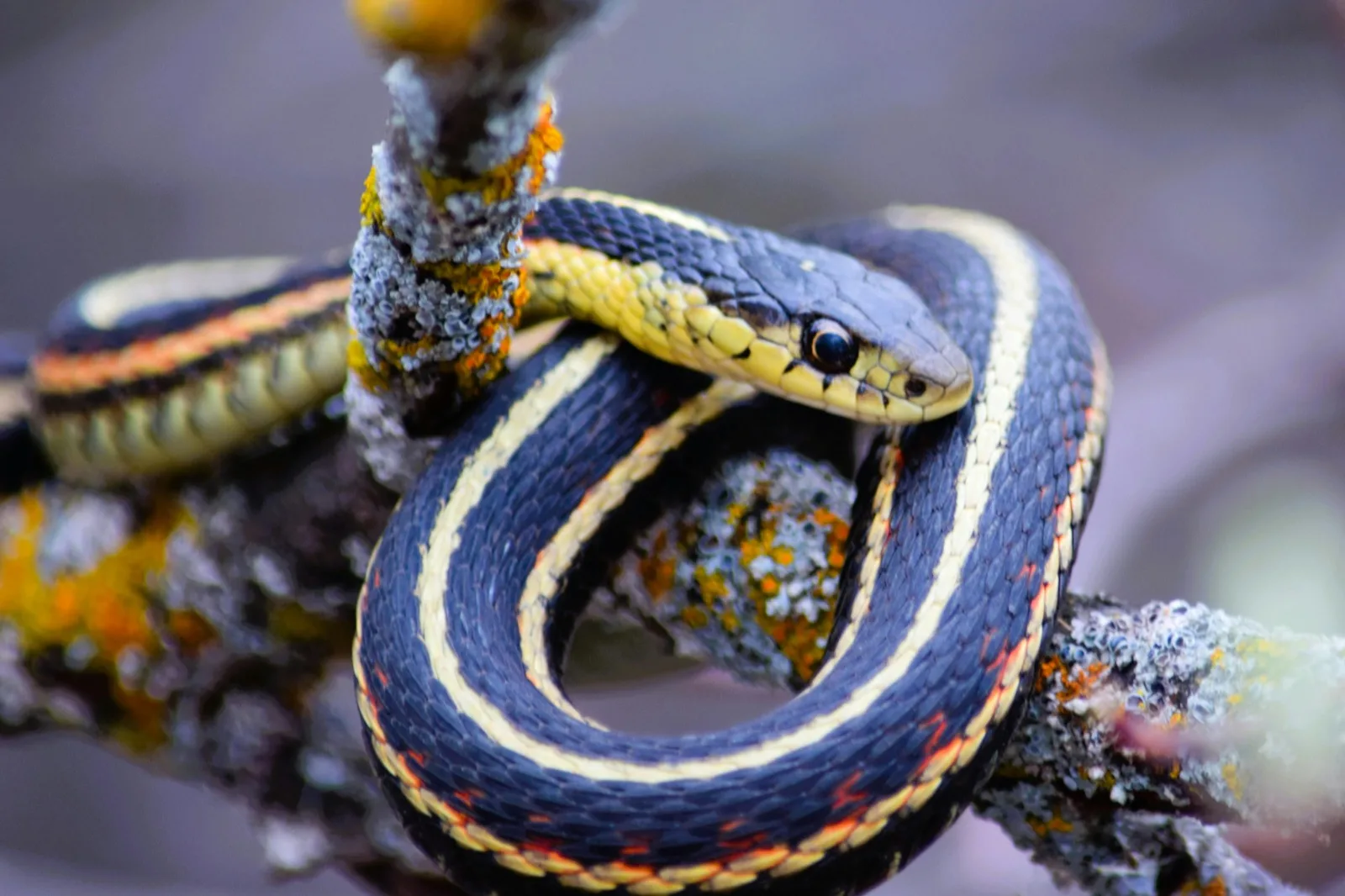
What Snakes Actually Live Around Jenkinsburg
Central Georgia's snake reality is far narrower than the full Southeast venomous roster homeowners often fear. Around Jenkinsburg, the copperhead is the primary venomous concern — it favors wooded creek corridors, leaf litter, and the brushy edges of rural-acreage lots, where it hunts rodents and is easy to step near because of its camouflage. Timber rattlesnakes occur in the area's wooded tracts at low density and are encountered far less often. Cottonmouths are limited to the immediate edge of water — pond banks and creek margins — and are not a general yard snake on Jenkinsburg properties; most "moccasin" sightings away from water are harmless watersnakes.
The vast majority of Jenkinsburg snake calls are non-venomous — eastern rat snakes, black racers, watersnakes, and hognose snakes. These species are beneficial rodent and pest controllers and are routinely killed by mistake because they get confused for copperheads. Jenkinsburg's pine-hardwood remnants, surrounding agricultural land, and rural-acreage lots with outbuildings concentrate both the rodent prey and the cover that draw all of these snakes toward homes.
Snake in Your House or Garage? What to Do Right Now
If a snake is inside your Jenkinsburg home or garage, the safest response is also the simplest:
- Do not approach or try to handle it. Most bites happen when people corner, kill, or pick up a snake — even a non-venomous one can bite.
- Keep it in sight from a safe distance. Watching where it is lets the technician find and remove it quickly; a snake that slips into a wall or a cluttered garage is much harder to recover.
- Confine the room if you can. Close interior doors or block the gap under the door with a towel to keep the snake in one space.
- Keep children and pets well away until the snake is removed.
- Call for professional identification and removal. Never try to ID a snake up close — let a licensed pro confirm the species from a safe distance and relocate it.
How to Keep Snakes Away From Your Jenkinsburg Property
Snakes follow food and cover, so the durable fixes target both:
- Control rodents first. A mouse or rat problem is the single biggest snake attractant. Secure feed, pet food, and trash, and address rodent harborage in barns and sheds — snakes leave when the prey does.
- Cut the cover. Clear woodpiles, brush, leaf litter, tall grass, and dense ground cover back from the house, and keep firewood stacked off the ground and away from the foundation.
- Seal the gaps. Snakes enter through openings as small as a quarter inch — foundation cracks, weep holes, gaps under doors, and pipe or HVAC penetrations. Sealing these keeps snakes, and the rodents they follow, out.
On Jenkinsburg's rural-acreage properties, the heaviest snake pressure comes from outbuildings and woodpiles — barns, equipment sheds, and stacked wood give both rodents and snakes harborage right next to where people live and work. Whole-property attention to rodents and cover, not just the main residence, is what keeps snake encounters down. Georgia DNR Wildlife Resources Division regulations apply to snake handling and relocation in Butts County.
⚠️ Fall Movement Season
Snakes are actively moving toward winter den sites in fall — the second peak period for encounters. Animals crossing yards and entering structures seeking warmth are common through October.
Snake Removal Cost in Jenkinsburg
$100–$300+
Per snake removal visit. Property inspection and exclusion adds $300–$900+. Call for an estimate — pricing varies by contractor and job complexity.
Frequently Asked Questions — Snake Removal in Jenkinsburg
More Wildlife Services in Jenkinsburg
Your local contractor handles all wildlife removal needs