Snake Removal in Jackson, GA
Local licensed expert serving Jackson and all of Butts County. Venomous and non-venomous snakes enter homes through foundation gaps. Professional identification and removal keeps your family safe.
📞 Call (404) 738-9764Snakes in Jackson, Georgia
Snake removal in Jackson covers the pre-1900 historic-district lots around the Butts County Courthouse square, the surrounding subdivisions, and the wooded creek-corridor and Lake Jackson-adjacent properties. The vast majority of Jackson snake calls are non-venomous species — eastern rat snakes, black racers, watersnakes, and hognose — routinely mistaken for venomous ones. The copperhead is the one venomous snake homeowners genuinely need to respect, concentrated along wooded creek edges. Same-day identification, humane capture, and relocation are available across Butts County.
Snake Removal — Jackson, Georgia
Central Georgia Wildlife Control LLC
Licensed local expert. Same-day and emergency service in Jackson.
Serving Jackson and all of Butts County, Georgia
Snake Removal in Jackson — What to Expect
Never attempt to handle a snake — even non-venomous species can bite. Call a professional for safe identification and removal.
Signs You Have Snakes
Snakes are most active spring through fall. They often enter homes seeking warmth as temperatures drop in autumn.
- Snake sighting inside or outside home
- Shed snake skin
- Disappearing rodents (snakes follow prey)
- Gaps in foundation or walls
- Eggs found in basement or crawlspace
Our Process in Jackson
Our local Butts County contractor serves all of Jackson using the same proven, humane process for every job.
- Safe snake capture and relocation
- Species identification
- Foundation and entry point sealing
- Rodent control (eliminates food source)
- Property inspection
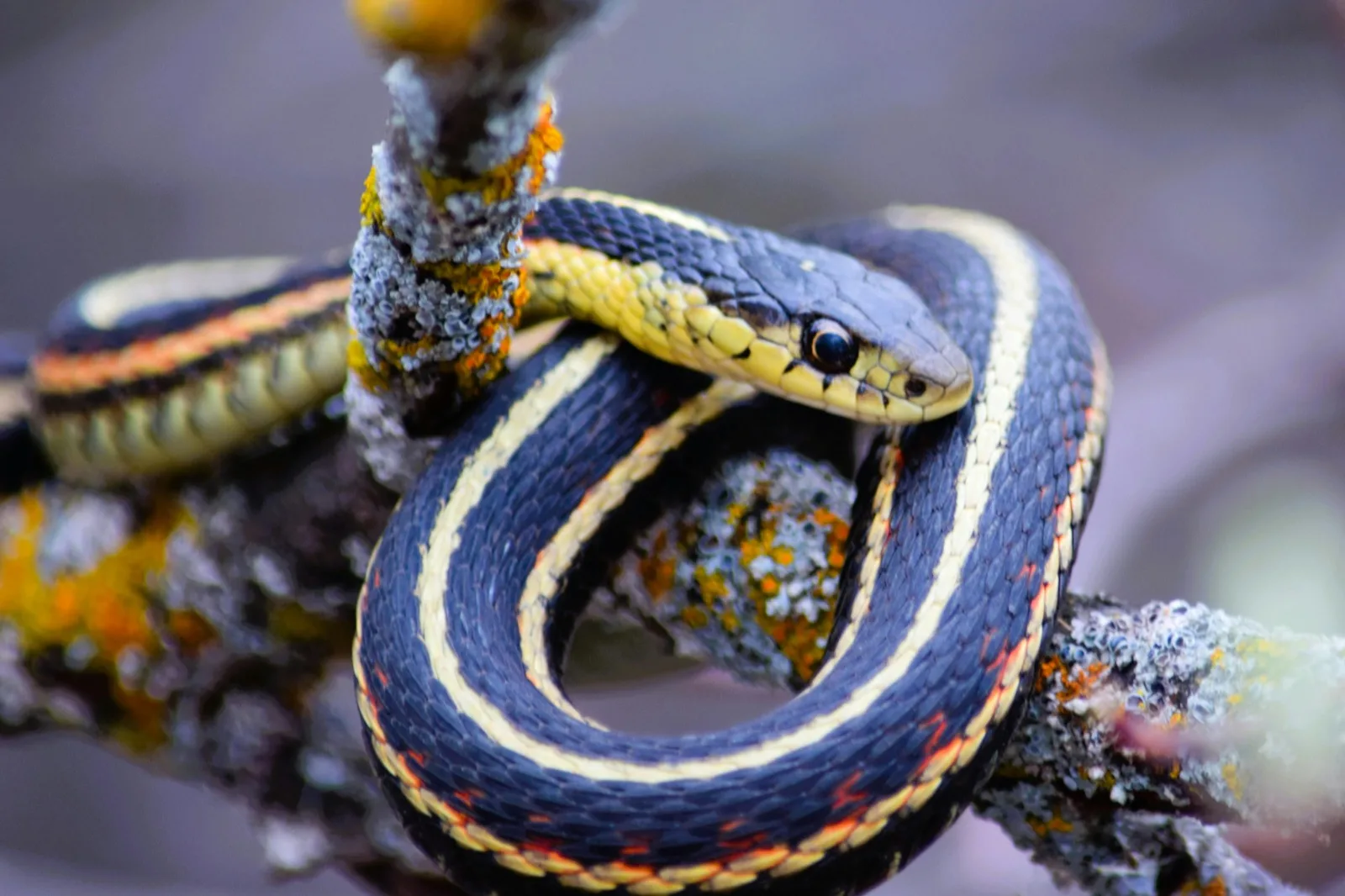
Snakes in Jackson, GA — What You're Actually Seeing
The large majority of Jackson snake calls — across the pre-1900 historic-district lots around the Butts County Courthouse square, the newer subdivisions, and the wooded creek-corridor properties — involve non-venomous snakes that are routinely mistaken for venomous ones. The species we remove most often are eastern rat snakes (strong climbers, frequently found in attics, garages, and outbuildings), black racers, watersnakes, and hognose snakes (which flatten their heads and hiss convincingly but are harmless). All of these are beneficial rodent hunters.
The copperhead is the primary venomous concern in Jackson and central Georgia. Copperheads favor wooded creek corridors and the brushy edges of suburban and wooded lots, and they account for nearly all of the venomous calls we actually see. Timber rattlesnakes occur in the area's wooded tracts but at low density and are encountered far less often. Cottonmouths are limited to the immediate water's edge — the Towaliga River corridor and the Lake Jackson shoreline — and are not a general yard snake; a snake in a typical Jackson yard away from water is almost never a cottonmouth. Proximity to Lake Jackson and Indian Springs State Park raises overall snake activity on adjacent properties, but the species mix stays the same: mostly harmless, with the copperhead as the one to respect.
Because so many harmless snakes are killed by mistake, the safe move is never to approach a snake to identify it — a licensed contractor identifies the species from a safe distance and removes and relocates it humanely.
Snake in Your House or Garage? What to Do Right Now
- Do not approach or try to handle it. Most snakebites happen when someone tries to kill or move the snake.
- Keep visual contact from a safe distance so the removal tech knows exactly where it is — a snake that slips out of sight is far harder to recover.
- Confine the room if you can — close the door and block the gap underneath with a rolled towel to keep the snake contained to one space.
- Keep children and pets well away from the area until the snake is removed.
- Call for professional identification and removal. Do not decide it is safe from a phone photo — let a licensed Jackson contractor confirm the species and relocate it.
How to Keep Snakes Away From Your Jackson Yard
Snakes go where the food and cover are, so prevention means removing both:
- Control rodents. Rats and mice are the main draw — a property with a rodent problem keeps attracting snakes until that food source is gone.
- Clear cover. Remove woodpiles, brush piles, and leaf litter, thin dense ground cover, and keep grass mown short — especially along fence lines and foundations.
- Seal the structure. Close foundation gaps, weep holes, and crawlspace and garage-door openings of 1/4 inch or more — the same gaps rodents and snakes both use.
Jackson lots along wooded creek corridors and near the Lake Jackson shoreline see higher copperhead pressure, so those properties benefit most from steady rodent control and edge-cover clearing.
⚠️ Fall Movement Season
Snakes are actively moving toward winter den sites in fall — the second peak period for encounters. Animals crossing yards and entering structures seeking warmth are common through October.
Snake Removal Cost in Jackson
$100–$300+
Per snake removal visit. Property inspection and exclusion adds $300–$900+. Call for an estimate — pricing varies by contractor and job complexity.
Frequently Asked Questions — Snake Removal in Jackson
More Wildlife Services in Jackson
Your local contractor handles all wildlife removal needs