Snake Removal in Flovilla, GA
Local licensed expert serving Flovilla and all of Butts County. Venomous and non-venomous snakes enter homes through foundation gaps. Professional identification and removal keeps your family safe.
📞 Call (404) 738-9764Snakes in Flovilla, Georgia
Flovilla sits beside Indian Springs State Park and the Towaliga River corridor in Butts County, where rural-residential lots, wooded acreage, and creek corridors are exactly the habitat where snakes turn up — in a garage, a woodpile, or along a foundation. The reality here is narrower than the full Southeast venomous roster: the copperhead is the primary venomous concern, cottonmouths stay close to water, and the large majority of snakes found are harmless rodent-hunters routinely mistaken for something dangerous. Correct identification is the first step, because the right response depends entirely on the species.
Snake Removal — Flovilla, Georgia
Central Georgia Wildlife Control LLC
Licensed local expert. Same-day and emergency service in Flovilla.
Serving Flovilla and all of Butts County, Georgia
Snake Removal in Flovilla — What to Expect
Never attempt to handle a snake — even non-venomous species can bite. Call a professional for safe identification and removal.
Signs You Have Snakes
Snakes are most active spring through fall. They often enter homes seeking warmth as temperatures drop in autumn.
- Snake sighting inside or outside home
- Shed snake skin
- Disappearing rodents (snakes follow prey)
- Gaps in foundation or walls
- Eggs found in basement or crawlspace
Our Process in Flovilla
Our local Butts County contractor serves all of Flovilla using the same proven, humane process for every job.
- Safe snake capture and relocation
- Species identification
- Foundation and entry point sealing
- Rodent control (eliminates food source)
- Property inspection
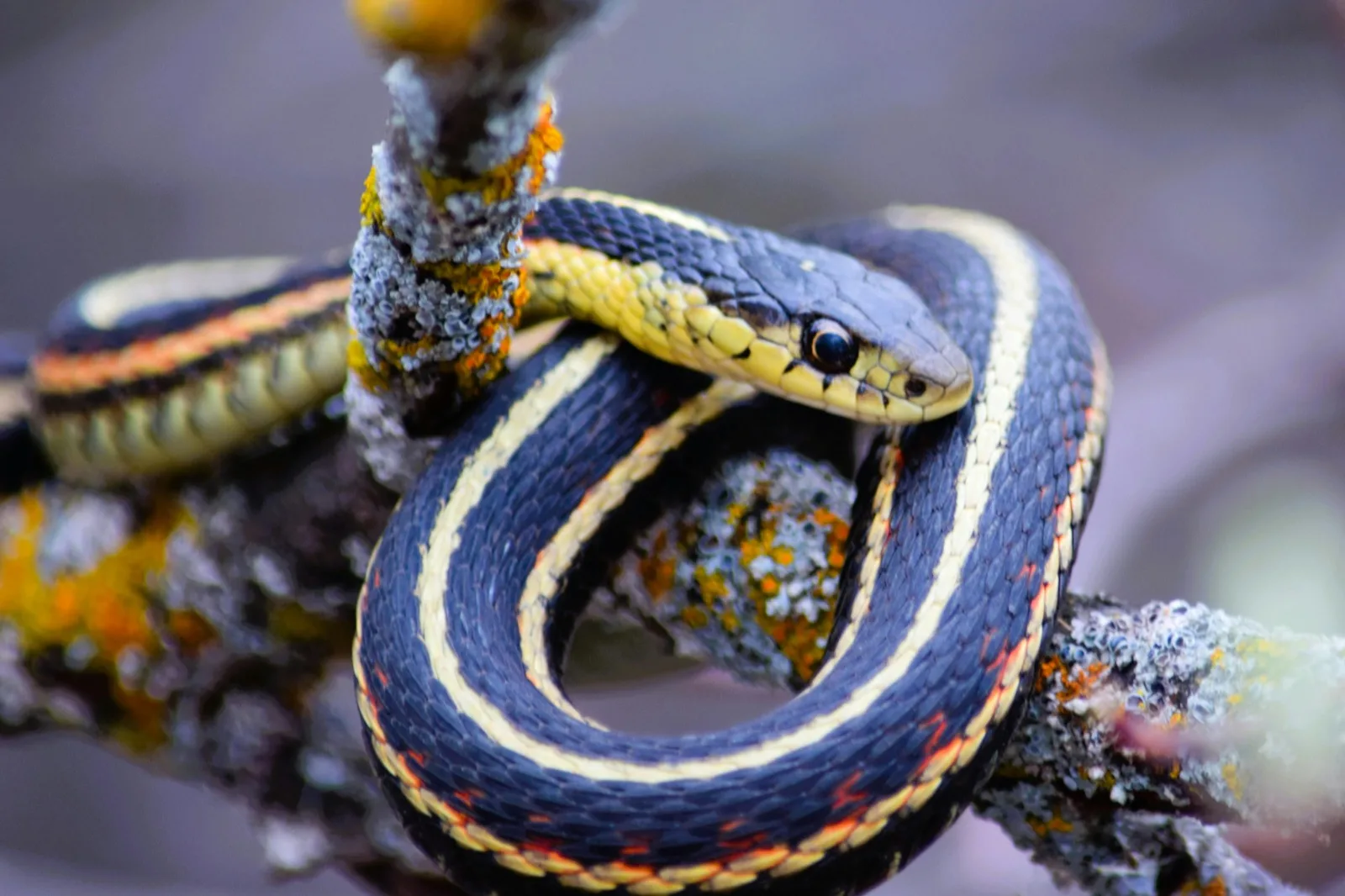
Snakes in Flovilla — What You'll Actually Encounter
Flovilla's setting — rural-residential and wooded acreage around Indian Springs State Park and the Towaliga River — means the occasional snake along a foundation, in a garage, or in a woodpile is part of life here. What you will actually meet is far narrower than the full Southeast venomous roster regional guides list.
The copperhead is the primary venomous concern in Flovilla. Copperheads favor exactly the conditions central Butts County offers — wooded creek corridors, leaf litter, woodpiles, and the brushy edges of rural-residential lots. They are well camouflaged and account for the large majority of genuine venomous-snake encounters here. Timber (canebrake) rattlesnakes occur in the wooded areas around Flovilla but at low density — a real but uncommon find on heavily wooded acreage rather than a typical yard snake.
Cottonmouths stay near water. Central Georgia does have cottonmouths, but they are tied to the water's edge along the Towaliga River corridor and the Indian Springs State Park waterways — not yards and gardens generally. The dark snakes people report near the water are far more often harmless watersnakes (genus Nerodia), which are routinely killed by mistake. The large rattlesnakes associated with the coastal plain and deep South are not a realistic Flovilla concern.
The vast majority of Flovilla snake calls are non-venomous. Eastern rat snakes (often four to six feet, strong climbers that turn up in barns, attics, and outbuildings), black racers (fast, slender, active by day), watersnakes near the river and creeks, and hognose snakes that bluff convincingly make up almost everything found — and almost all of it is mistaken for something dangerous. These are beneficial rodent-hunters, just understandably unwelcome around a home.
Snake in Your House or Garage? What to Do Right Now
If you find a snake indoors or in the garage, the safest move is almost always to leave it alone and call a professional for identification and removal. Most snakebites happen when someone tries to catch or kill the snake.
- Do not approach or try to handle it. Do not attempt to catch, hit, or kill it — that is exactly when bites happen, and even a non-venomous bite means a wound and a doctor visit.
- Keep it in sight from a safe distance. If you can watch the snake from across the room without crowding it, do so — knowing exactly where it is makes removal fast. If it slips out of view, removal takes much longer.
- Confine the room if you can. Close interior doors and block the gap underneath with a rolled towel so the snake stays in one room instead of disappearing into the house.
- Keep children and pets well away. Move them to another part of the home until the snake has been removed.
- Call for professional ID and removal. A licensed contractor identifies the species from a safe distance, removes and relocates the snake, and checks how it got in.
Snakes on Indian Springs SP-Adjacent & Rural Flovilla Properties
Where you live in and around Flovilla changes how much snake pressure you see. Lots that back up to Indian Springs State Park, the Towaliga River, or wooded creek corridors take higher copperhead pressure because the adjacent woods and water provide continuous habitat and a steady supply of the rodents and frogs snakes hunt.
Rural-residential properties add a second factor: multi-structure layouts — barns, equipment buildings, sheds, and woodpiles — create exactly the cool, sheltered harborage snakes look for, and they also concentrate the rodents that draw snakes in. The most effective long-term prevention is not repellents but reducing food and cover:
- Control rodents first. Snakes follow mice and rats, and barns, feed storage, and outbuildings on rural Flovilla lots are common rodent sources — eliminating that harborage is the single most effective snake deterrent.
- Clear the cover they hide in. Move woodpiles off the ground and away from the house, cut back brush and dense ground cover, keep grass mowed, and clean up debris along foundations, outbuildings, and creek edges where copperheads shelter.
- Seal entry points a quarter inch and larger. Snakes enter through gaps as small as a quarter inch — under garage and exterior doors, around pipe and utility penetrations, foundation cracks, and unscreened crawl-space and gable vents.
On multi-structure rural properties, a professional inspection covers the outbuildings as well as the house, because the barn or shed is often where the snake — and its food supply — actually lives.
⚠️ Fall Movement Season
Snakes are actively moving toward winter den sites in fall — the second peak period for encounters. Animals crossing yards and entering structures seeking warmth are common through October.
Snake Removal Cost in Flovilla
$100–$300+
Per snake removal visit. Property inspection and exclusion adds $300–$900+. Call for an estimate — pricing varies by contractor and job complexity.
Frequently Asked Questions — Snake Removal in Flovilla
More Wildlife Services in Flovilla
Your local contractor handles all wildlife removal needs