🐾 Opossum Removal in Fayette County
Opossums nest in attics, crawlspaces, and under decks — causing odor problems, droppings contamination, and potential disease exposure.
Opossum Removal — Fayette County
Licensed local expert. Same-day and emergency service available.
Serving all of Fayette County, Georgia
Opossum Removal in Fayette County, Georgia
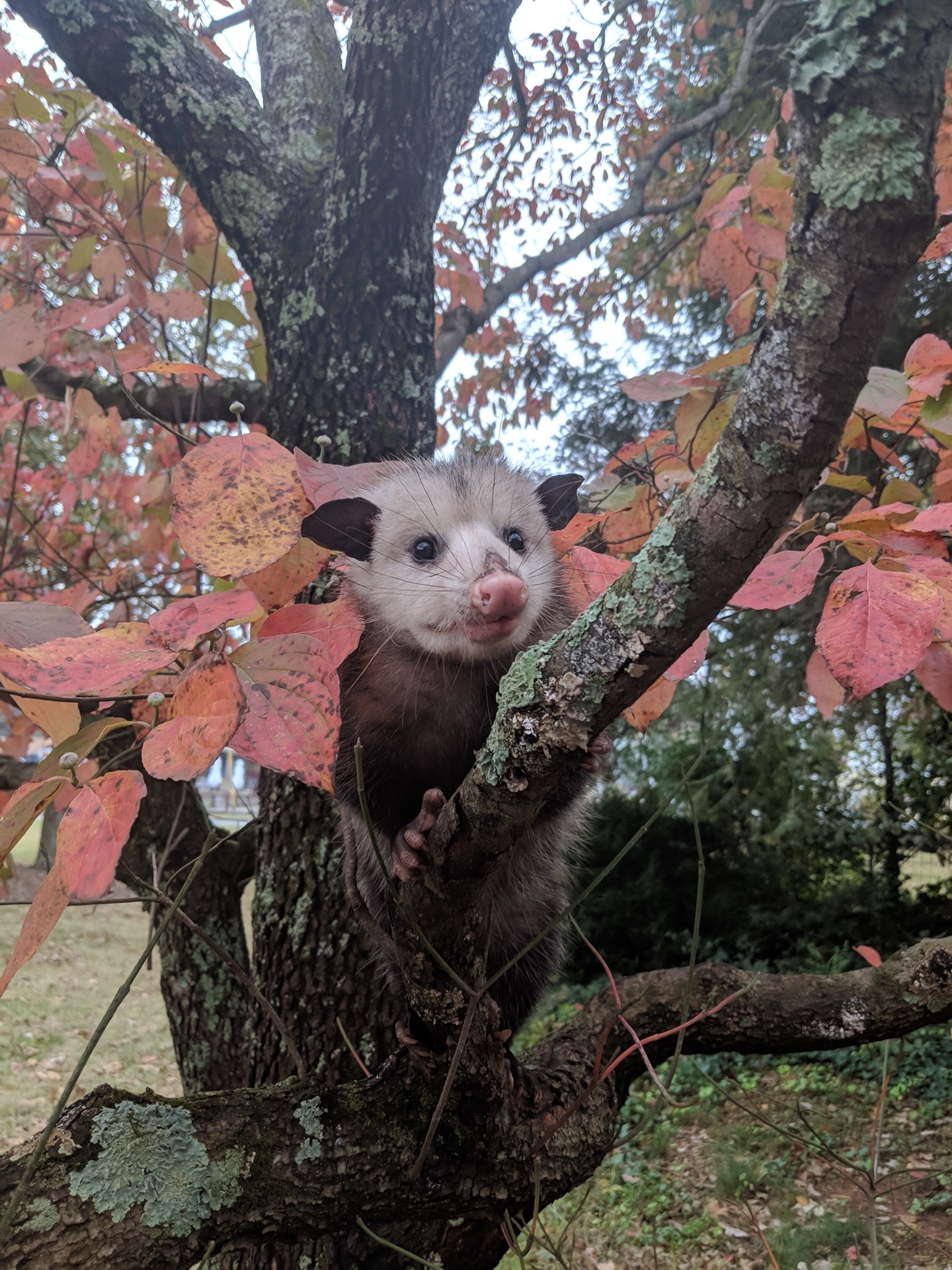
Virginia opossums (Didelphis virginiana) — North America's only marsupial — den under decks, porches, sheds, and in crawlspaces across Fayette County. Most Fayette opossum work concentrates in mid-century Fayetteville housing where elevated wood decks and unsealed crawlspaces are common, plus Brooks and Woolsey farmstead properties where outbuilding crawlspaces and barn foundations function as long-term den sites. Opossums are nocturnal and generally beneficial (they eat ticks, slugs, beetles, and small rodents), but den sites under residential structures are still a legitimate exclusion situation — and with kits in the pouch from February through October, timing matters.
Opossum Removal Services in Fayette County
Opossums carry leptospirosis and other diseases. Their droppings contaminate insulation and require professional cleanup.
Warning Signs
Opossums are active year-round. They breed twice per year (January-February and June-August) and mothers with young need careful handling.
- Hissing sounds in attic or crawlspace
- Strong musky odor
- Droppings in attic or garage
- Tipped garbage cans
- Opossum sightings around home
Our Opossum Removal Process
Our Fayette County contractor uses proven, humane methods to remove opossums and keep them from coming back.
- Live trapping and relocation
- Attic and crawlspace cleanup
- Entry point sealing
- Odor treatment
- Deck and foundation exclusion
Why Opossums Den Under Fayette County Homes
Virginia opossums are habitat generalists — they'll den anywhere that's dark, dry, and protected. Under elevated wood decks is the single most common Fayette residential den site, particularly across Fayetteville's mid-century neighborhoods between downtown and the South Fayette schools. Crawlspaces with damaged or missing foundation vent screens are second-most-common. Brooks and Woolsey farmstead properties add barn foundations, outbuilding crawlspaces, and pasture-edge structures to the den-site mix.
Unlike raccoons, opossums are not aggressive — when threatened, they typically play dead (catatonic stress response) or display teeth without actually biting. They're not a rabies vector in the typical risk profile because their body temperature is too low to support the virus efficiently. The case for exclusion is structural — opossum droppings under decks accumulate, opossums can damage insulation in crawlspaces, and they bring secondary pests (fleas, ticks).
The Opossum Pouch Calendar — Why Timing Matters
Female opossums in Georgia carry kits in the pouch from February through October, with most active reproductive periods in spring and summer. Performing exclusion when a mother is denning with pouch-young or just-emerged juveniles separates the family — the mother exits to forage and can't return, and the kits are left to die. The right approach during reproductive season is one-way exclusion devices that allow the mother and any mobile kits to exit but prevent re-entry, deployed only after confirming no immobile pouch-young are present.
Standard residential opossum jobs in Fayette run $300-$800+ for trapping and relocation. Under-deck or crawlspace exclusion (sealing the den-site access plus screening foundation vents) adds $300-$900+. Multi-structure farmstead work in Brooks and Woolsey trends higher because of multi-building inspection scope.
Identifying Opossum Activity vs Raccoon Activity
- Opossum droppings: smaller than raccoon, usually in concentrated piles near the den entry, often with visible insect parts
- Raccoon droppings: larger, often in elevated latrine sites, with visible plant material
- Opossum activity: silent and slow — homeowners rarely hear them moving
- Raccoon activity: heavy thumping, chittering, and clear sound from above ceilings
- Opossum tracks: distinct opposable thumb pattern visible in soft soil; raccoon tracks have clearly separated finger pads
Opossum Removal in Fayette County — Service Area Map
Our licensed contractor handles opossum removal across the full Fayette County footprint. Tap the map to open directions in Google Maps.
Opossum Removal by City in Fayette County
Find opossum removal help in your specific city
Opossum Removal Across Fayette County
Same licensed contractor — varied anchor coverage across the county.
📅 Summer Activity
Opossums raise their second litter of the year through summer. Juvenile opossums dispersing from their mother are frequently found in unexpected places, including inside garages, under appliances, and in crawlspaces.
Opossum Removal Cost in Georgia
$150–$400+
Trapping and relocation. Cleanup and entry point sealing are additional services. Pricing varies by contractor, location, and severity. Call for an estimate specific to your situation.
Frequently Asked Questions — Opossum Removal in Fayette County
More Wildlife Services in Fayette County
We handle all wildlife removal needs in Fayette County
Opossum Removal in Neighboring Counties
Need opossum removal in a county next to Fayette County? We cover those too.