Wildlife Removal in Bartow County, GA
Local licensed experts ready to remove, exclude, and remediate — fast.
Your Local Bartow County Expert
Licensed, insured & local. Available for same-day and emergency service.
Serving all of Bartow County, Georgia
Services Available in Bartow County
Our local contractor handles every aspect of wildlife removal — from capture to exclusion to cleanup.
Wildlife Removal
Trained experts safely remove animals from your home using high-capture-rate trapping and exclusion techniques.
- 24/7 Emergency Response
- High Capture Success Rate
- Raccoons, Squirrels, Bats & More
- Safe & Humane Methods
- Certified Technicians
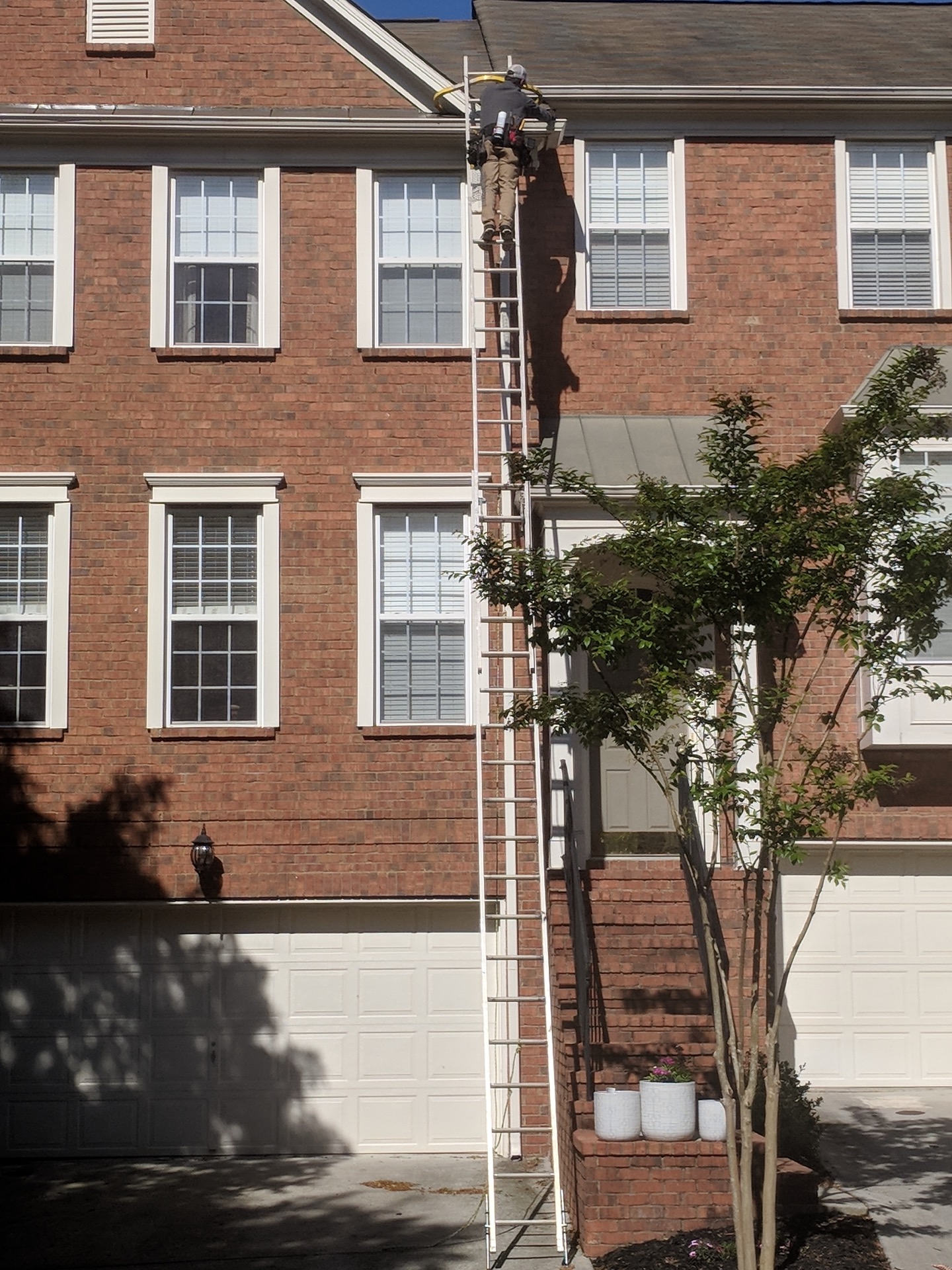 Core Service
Exclusion
Ensuring your home is properly sealed is the most important service we offer. We use only the highest quality materials and industry-best methods.
- Galvanized Steel Sealing
- Industry-Best Methods
- 1-Year Guarantee
- Permanent Prevention
Remediation
Whatever animal you had, they likely left waste and caused damage. Our team will deodorize, sanitize, and repair damaged material.
- Complete Waste Removal
- Deodorize & Sanitize
- Repair Damaged Materials
- Restore Home Value
Wildlife Removal by Animal in Bartow County
Find specific removal services in Bartow County
Cities & Communities We Serve in Bartow County
Find wildlife removal in your specific city or neighborhood
About Bartow County, Georgia
Bartow County sits in the northwestern metropolitan Atlanta exurban arc, with Lake Allatoona's main basin along its eastern boundary and the Etowah River cutting through the county center. With a population of 113,486 residents, Bartow runs from the Lake Allatoona shoreline through Cartersville (the county seat) down to the Etowah Indian Mounds State Historic Site and out to the historic 1840s-era Adairsville downtown around the Train Depot. Established in 1832, the county combines pre-1940 Cartersville mill housing, the 1840s-era Adairsville historic-downtown, mid-century rural-suburban housing, and 1990s-2010s subdivision growth in southern Bartow toward the Cobb boundary. Pine Mountain and Red Top Mountain State Park anchor the eastern boundary along Lake Allatoona.
Wildlife Common to Bartow County
Bartow has the largest Lake Allatoona shoreline footprint of any county and the wooded shoreline forest sustains one of the densest year-round raccoon source populations in north Georgia. Pre-1940 Cartersville mill housing and the 1840s-era Adairsville historic downtown around the Train Depot host long-established big-brown-bat colonies — many spanning 30-50+ years. Roof rats moved up the I-75 corridor during the 2010s and are now establishing throughout southern Bartow; Norway rats remain dominant in the older Cartersville and Adairsville commercial corridors. The Etowah River corridor and Pumpkinvine Creek tributary system sustain continuous year-round wildlife travel habitat. Eastern gray squirrel intrusions are constant across Bartow's mature canopy. Southern flying squirrels appear with notable frequency in older Cartersville mill housing and along Pine Mountain's wooded ridges. Virginia opossums shelter under decks and porches across the older Cartersville and Adairsville inner-town housing. Striped skunks are persistent under sheds and crawl spaces in the rural-edge subdivisions, and snake calls concentrate around the wooded properties along the Etowah River corridor and the Pumpkinvine Creek tributary system. White-tailed deer are abundant throughout Bartow's rural and rural-suburban edges, black bears occasionally pass through the more remote northern parts of the county, the occasional alligator turns up along the Etowah River corridor, and federally listed Cherokee darter and Etowah darter populations occur in the Etowah and Allatoona Creek systems.
Bartow County's Geography Shapes Wildlife Activity
Bartow has the largest Lake Allatoona shoreline footprint of any county — the lake's main basin runs along the eastern boundary, with Red Top Mountain State Park on the lake's eastern shore providing protected hardwood forest habitat. The Etowah River cuts east-to-west through the county center, passing the Etowah Indian Mounds State Historic Site just south of Cartersville (one of the largest pre-Columbian Mississippian cultural sites in the southeast). The Allatoona Creek, Pumpkinvine Creek, and Sweetwater Creek (the north-Bartow tributary, distinct from the south-Cobb one) provide additional wildlife travel corridors throughout the county.
The Pine Mountain monadnock anchors the southeastern part of the county, and Cooper's Furnace Day Use Area at the south end of Lake Allatoona is one of north Georgia's better bald eagle viewing sites. Bartow's residential housing range — pre-1940 Cartersville mill housing in the original textile-mill area, the 1840s-era Adairsville historic-downtown around the Train Depot, mid-century rural-suburban housing, and the 1990s-2010s subdivision growth in southern Bartow toward the Cobb boundary — produces a wide range of residential wildlife pressure profiles.
Wildlife Species Present in Bartow County
Bartow residents most frequently call about animals that have moved from the Lake Allatoona shoreline, the Etowah corridor, or the Pumpkinvine Creek tributary system into residential structures:
- Raccoons — heaviest densities along Lake Allatoona's main basin and the Etowah corridor; female raccoons whelp in Cartersville historic mill-housing chimneys February through April every year
- Eastern gray squirrels — constant across Bartow's mature canopy
- Southern flying squirrels — notable in older Cartersville mill housing and along Pine Mountain's wooded ridges
- Roof rats — establishing in southern Bartow subdivisions and the Hwy 41 corridor as the species expands northward via I-75
- Norway rats — concentrated in the Cartersville historic-district commercial blocks and the 1840s-era Adairsville historic-downtown around the Train Depot
- Big brown bats — long-established colonies in pre-1940 Cartersville mill housing and the historic Adairsville Train Depot area
- Evening bats in older mill-housing blocks
- Virginia opossums, striped skunks, armadillos across residential and rural-edge areas
- Bald eagles nesting at Lake Allatoona's main basin, particularly viewable from Cooper's Furnace Day Use Area
- Snakes encountered residentially are dominated by the eastern rat snake and the occasional northern copperhead; brown watersnakes along the Etowah and Pumpkinvine Creek corridors
Common Wildlife Issues That Define the Bartow Job Mix
Several patterns in Bartow's call volume are distinctive enough to call out:
Lake Allatoona shoreline multi-structure work in Euharlee
Euharlee sits directly on Lake Allatoona's southern shore, with lakefront properties having boathouses, dock-side sheds, detached lakefront garages, and screened porches that each represent a separate possible wildlife access route. Effective Euharlee exclusion plans inspect every structure on the property; a colony excluded from one structure frequently relocates to another on the same property.
Pre-1940 Cartersville mill-housing multi-entry-point work
The original textile-mill housing around the Cartersville mill site, the historic blocks along Tennessee Street, and the older homes along Cherokee Avenue have structural features — original masonry chimneys, hand-laid brick foundations with pointing failures, original wood soffits with corner separation, pre-modern gable louvers — that produce 4-5+ raccoon, bat, and squirrel entry points per property. Long-established big-brown-bat colonies span 30-50+ years.
1840s-era Adairsville Train Depot bat colonies
The historic 1840s-era downtown around the Adairsville Train Depot and the surrounding pre-1900 brick storefronts and adjacent housing host some of the longest-established big-brown-bat colonies in metro Atlanta — many spanning 50+ years of continuous occupation in original brick storefront construction.
Roof rat range expansion in southern Bartow
Southern Bartow subdivisions along the Hwy 41 corridor (toward the Cobb boundary) are at the leading edge of roof rat range expansion as the species moves north along I-75. Properties here are seeing roof-rat establishment for the first time, often without homeowners recognizing the species.
Federally Protected Species in Bartow's Watersheds
The Cherokee darter (federally threatened) and the Etowah darter (federally endangered) occur in the Etowah and Allatoona Creek systems draining Bartow County. Any work along these corridors is subject to federal habitat protections. Bald eagles nest at Lake Allatoona's main basin and are protected under the Bald and Golden Eagle Protection Act and the Migratory Bird Treaty Act; Cooper's Furnace Day Use Area is one of north Georgia's better viewing sites.
Local Authorities and Regulations
Public-health authority for Bartow County rabies-vector exposure runs through the Bartow County Health Department; Bartow County Animal Services handles domestic-animal complaints but does not respond to most nuisance wildlife. Commercial wildlife removal in Georgia operates under Georgia DNR Wildlife Resources Division Region 1 (Armuchee office). Federal protections apply to bats during maternity periods (May-August exclusion restrictions), bald eagles, and the federally listed Cherokee and Etowah darters.
Service Coverage in Bartow County
Coverage spans all of Bartow County including Cartersville, Adairsville, Euharlee, Emerson, plus Kingston, White, and Taylorsville, and the unincorporated subdivisions throughout the county. The county's mix of pre-1940 Cartersville mill housing, the 1840s-era Adairsville historic-downtown, the Lake Allatoona shoreline lakefront properties, and the rural-suburban transition subdivisions — combined with the Etowah River corridor source population and the proximity to Sweetwater Creek State Park — means contractors here handle a continuous mix of historic-district multi-entry-point exclusion, lakefront multi-structure outbuilding work, and continuous suburban raccoon-and-squirrel residential pressure.
Seasonal Activity Patterns
Wildlife intrusion in Bartow County follows Georgia's main pressure windows: February through April for raccoon and squirrel denning, May through August for bat maternity colonies in attics, and a sustained year-round pressure across the southern half of the state where mild winters keep wildlife active and breeding cycles overlap. Georgia's long, humid subtropical summers and mild winters allow many nuisance species — raccoons, squirrels, opossums, rats, and armadillos — to breed multiple times per year and remain active twelve months a year, producing call volume that never fully drops off the way it does in northern states.
Georgia Wildlife Regulations
All commercial wildlife removal in Georgia is regulated by the Georgia Department of Natural Resources, Wildlife Resources Division. Georgia DNR requires commercial wildlife trappers to hold a Trapping License and, for properties using lethal control, a Nuisance Wildlife Control Permit; bats and migratory birds carry additional federal handling restrictions, and large game species including white-tailed deer, black bears, alligators, and feral hogs fall under direct Georgia DNR Wildlife Resources Division management rather than the private wildlife removal industry. Every contractor in our network holds the applicable Georgia DNR licensing and operates within Wildlife Resources Division guidelines on species-specific handling and relocation.
What to Do Before the Contractor Arrives
- Note where you've seen or heard the animal — attic, crawlspace, chimney, or yard
- Don't attempt to handle or block animals yourself — this can be dangerous
- Keep pets and children away from the affected area
- Take photos of any damage or entry points you've spotted
Bartow County, Georgia — Service Area Map
Coverage spans the full Bartow County footprint. Tap the map to open directions in Google Maps.
Frequently Asked Questions: Wildlife Removal in Bartow County
What wildlife is most common in Bartow County, Georgia?
In residential calls across Bartow County, eastern gray squirrels, raccoons, Virginia opossums, and big brown bats make up the bulk of attic and yard intrusions. Roof rats are establishing in southern Bartow subdivisions; Norway rats remain dominant in older Cartersville and Adairsville commercial corridors. Lake Allatoona shoreline properties see heavy raccoon and bat pressure from the wooded shoreline source population. Long-established big-brown-bat colonies span 30-50+ years in pre-1940 Cartersville mill housing and the 1840s-era Adairsville Train Depot area. Snake calls concentrate along the Etowah corridor and Pumpkinvine Creek.
Are raccoons more common on Lake Allatoona properties in Euharlee?
Yes, measurably. Lake Allatoona's shoreline forest sustains one of the densest year-round raccoon source populations in north Georgia, and Euharlee lakefront properties take continuous pressure from this source. Year-round protein subsidy from shoreline foraging produces 15-25+ lb adult raccoons. Female raccoons specifically select lakefront attics over natural den sites during spring whelping. Properties with boathouses, screened porches, and dock-attached structures see raccoon presence even when the main house is well sealed — multi-structure exclusion is the rule for Euharlee lakefront work.
How old are bat colonies in Cartersville mill housing?
Cartersville pre-1940 mill-housing chimney colonies are routinely 30-50+ years old by the time homeowners first notice activity. Big brown bat daughters return to their natal roosts to whelp, so colony memory is multigenerational and persists across changes in property ownership. The first noticeable sign is typically guano accumulation on siding below an entry point, a single bat appearing in living space, or summer-time odor from the attic. The 1840s-era Adairsville Train Depot area hosts colonies that span 50+ years of continuous occupation in some original brick storefronts.
Is roof rat pressure new to southern Bartow?
Relatively. Roof rats moved up the I-75 corridor from peninsular Florida during the 2000s-2010s and are now establishing in southern Bartow subdivisions along the Hwy 41 corridor. Properties here are seeing roof-rat presence for the first time, often without homeowners recognizing the species — they assume the activity is squirrels or Norway rats. The defining diagnostic is pointed-end half-inch droppings (versus blunt 3/4-inch Norway droppings) and overhead activity in attics and ceiling cavities (versus Norway rat ground-level activity).
When can I evict raccoons from my Bartow County attic?
Female raccoons in Bartow County whelp late February through early May, and kits are immobile and dependent until roughly 8-10 weeks of age. Performing exclusion during that window risks separating mother from kits and trapping kits inside the structure. Right approach during kit season is one-way doors that let the family exit but not re-enter, deployed once kits are mobile. Inspections and entry-point identification can happen any time of year. Lake Allatoona shoreline properties may need wider perimeter exclusion than typical because of the continuous source-population pressure.
What are the legal restrictions on bat removal in Bartow County?
Georgia DNR Wildlife Resources Division regulations restrict bat exclusion during the maternity season — typically May through August — when non-flying pups are present. All bat exclusion in Georgia must use one-way valves, not trapping; trapping bats is essentially banned because the species are protected under both state and federal regulations. Long-established Cartersville mill-housing colonies and Adairsville Train Depot-area colonies require careful staged exclusion in the legal April or September-October windows. Bartow contractors hold the required Georgia DNR Region 1 licensing.
How much does wildlife removal cost in Bartow County?
Pricing varies by species and exclusion scope. Pre-1940 Cartersville mill-housing raccoon jobs run $700-$1,800+ because of multi-entry-point profiles. Long-established Cartersville and Adairsville bat colonies run $2,500-$5,000+ once full guano remediation is included. Euharlee lakefront multi-structure jobs (main house plus boathouse plus detached garage) frequently run $3,000-$6,000+. Newer southern Bartow subdivision roof-rat jobs typically run $400-$900+. The variable is exclusion scope and remediation.
Are there protected species in Bartow County I should be aware of?
Yes. The Cherokee darter (federally threatened) and the Etowah darter (federally endangered) occur in the Etowah and Allatoona Creek systems. Any work along these corridors is subject to federal habitat protections. Bald eagles nest at Lake Allatoona's main basin and are protected under the Bald and Golden Eagle Protection Act and the Migratory Bird Treaty Act — Cooper's Furnace Day Use Area is one of north Georgia's better viewing sites. All bats are protected by Georgia DNR regulations during maternity season (May-August). Migratory birds require federal Migratory Bird Treaty Act permits for any active take.
Neighboring Counties
Need wildlife removal in a county next to Bartow County? We cover those too.
- Cobb County wildlife removal — directly to the south
- Cherokee County wildlife services — to the east, sharing Lake Allatoona
- Floyd County wildlife removal — to the west
- Polk County animal removal — to the southwest
- Wildlife removal in Gordon County — to the north