(404) 620-4129
24/7 Emergency Response
Licensed & Insured
Humane Methods
Local Experts
Acworth, Georgia

Snake Removal in Acworth

Local licensed expert serving Acworth and all of Cobb County. Venomous and non-venomous snakes enter homes through foundation gaps. Professional identification and removal keeps your family safe.

Snakes in Acworth, Georgia

Snake calls in Acworth concentrate along the Lake Allatoona and Lake Acworth shorelines and in the wooded subdivisions on the outer edges of the city. Northern water snakes are the dominant call at lakefront properties — non-venomous and harmless but unwelcome in boat houses, around docks, and in shoreline yards. Rat snakes are common in the wooded subdivisions and around the historic downtown core. Copperhead encounters do occur in the wooded outer edges of Acworth, particularly near rocky lakeshore areas and woodpiles. Spring through fall is peak activity. Never attempt to handle or identify a snake — always call a licensed contractor.

Snake Removal — Acworth, Georgia

Total Animal Control

Licensed local expert. Same-day and emergency service in Acworth.

Serving Acworth and all of Cobb County, Georgia

Licensed & Insured Same-Day Available Humane Methods

Snake Removal in Acworth — What to Expect

Never attempt to handle a snake — even non-venomous species can bite. Call a professional for safe identification and removal.

🛠️

Our Process in Acworth

Our local Cobb County contractor serves all of Acworth using the same proven, humane process for every job.

  • Safe snake capture and relocation
  • Species identification
  • Foundation and entry point sealing
  • Rodent control (eliminates food source)
  • Property inspection
(404) 620-4129
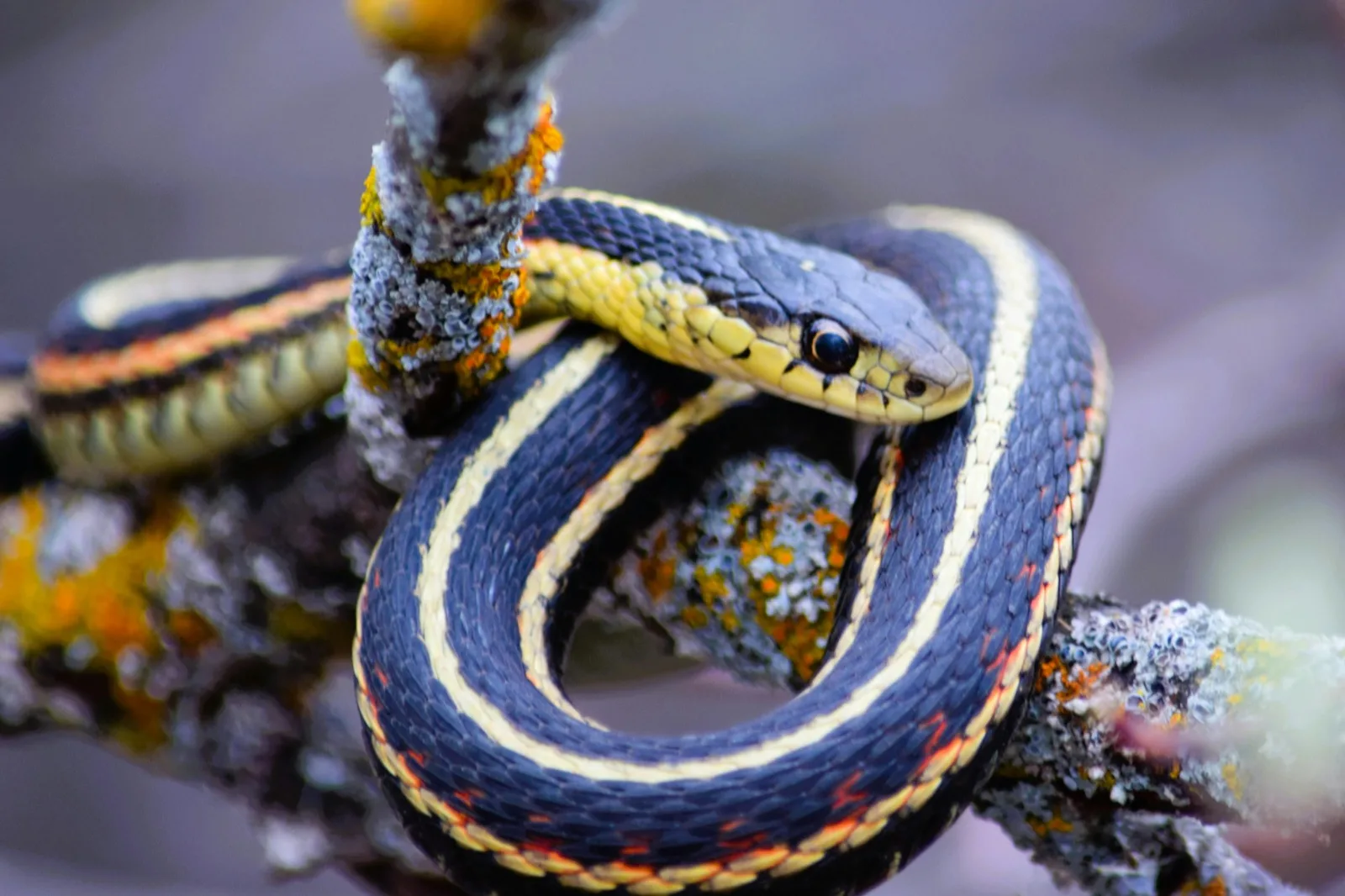
Eastern rat snake (Pantherophis alleghaniensis) in a residential yard in Acworth, Cobb County, Georgia — licensed local snake removal contractor for venomous and non-venomous snake identification, humane relocation, copperhead removal, and yard exclusion in Acworth

⚠️ Peak Activity Season

This is the most active period of the year for snake activity. Encounters near homes, in garages, and inside structures are most common from late spring through summer.

Snake Removal in Acworth, Georgia — Local Context

The Southeast has the greatest diversity of venomous snakes in North America, including copperheads, cottonmouths, eastern diamondback rattlesnakes, timber rattlesnakes, and pygmy rattlesnakes. Copperhead removal is one of the most frequent wildlife calls across the region, particularly in suburban areas bordering wooded creek corridors. Black racers and rat snakes are commonly removed from attics, basements, and garages.

All wildlife removal in Georgia is regulated by the Georgia Department of Natural Resources. Our Acworth contractor is fully licensed under the Georgia Department of Natural Resources and uses only permitted, humane removal methods.

Snake Removal Cost in Acworth

$100–$300+

Per snake removal visit. Property inspection and exclusion adds $300–$900+. Call for an estimate — pricing varies by contractor and job complexity.

Frequently Asked Questions — Snake Removal in Acworth

Are water snakes dangerous in Acworth? +
Northern water snakes around Lake Allatoona and Lake Acworth are non-venomous but defensive when cornered. They're frequently mistaken for cottonmouths (water moccasins), which are extremely rare this far north in Georgia. A licensed contractor confirms identification before any handling.
How do I keep snakes out of my Acworth boat house? +
Boat houses concentrate snake activity given the cover and rodent prey. Sealing foundation gaps, removing accumulated debris, and keeping boat house floors clear reduces but doesn't eliminate snake activity. Periodic inspection by a licensed contractor catches issues before they escalate.
How much does snake removal cost in Acworth, Georgia? +
A single snake removal visit in Georgia typically costs $100–$300+. Full property inspection and exclusion to prevent snakes from re-entering structures runs $300–$900+. Ongoing seasonal snake control programs are available for Acworth properties with persistent pressure from surrounding habitat.
What venomous snakes should I watch for in Acworth, Georgia? +
Georgia has several venomous snake species — the specific mix depends on your region of the state. Common venomous species across much of the Southeast and lower Midwest include the copperhead, cottonmouth (water moccasin), and rattlesnakes; northern states typically see only timber rattlesnakes or copperheads in localized ranges. Never approach a snake to identify it — many non-venomous species (rat snakes, watersnakes, hognose snakes) mimic venomous ones and are routinely killed by mistake. If you cannot confirm identification from a safe distance, treat the snake as venomous and call a licensed professional in Acworth.
Why are snakes coming onto my Acworth property? +
Snakes follow their food supply. A Acworth property with a mouse or rat problem will attract snakes. Dense ground cover, wood piles, and tall grass provide shelter and hunting grounds. Eliminating rodent harborage is the most effective long-term snake deterrent alongside physical exclusion of structures.
Can snakes get inside my house in Georgia? +
Yes. Snakes can enter through gaps as small as a quarter inch — under exterior doors, around pipe and HVAC line penetrations, foundation cracks, weep holes, dryer-vent terminations, and unscreened crawl-space and gable vents. Most in-house snake calls in Georgia are non-venomous rodent hunters that followed mice or rats through the same gap. A professional inspection identifies every ground-level entry point and seals them permanently with steel mesh, sealant, or appropriate door sweeps.
When are snakes most active in Georgia? +
Snakes are most active in Georgia from March through October. Spring emergence is the first peak — snakes come out of winter dormancy, bask in sunny areas, and begin moving onto properties as temperatures warm. Fall is the second peak as snakes actively move toward winter den sites and occasionally enter structures seeking warmth. Acworth residents should be most cautious during these two transition periods.